When sourcing bulk dried green peas, unit price remains an essential factor, but dehydration technology ultimately dictates finished product quality. Whether a manufacturer deploys hot-air convection drying, vacuum freeze drying, or vacuum frying directly impacts color retention, crispness, and commercial shelf stability.
Dominant Processed Dried Green Pea Varieties in the Market
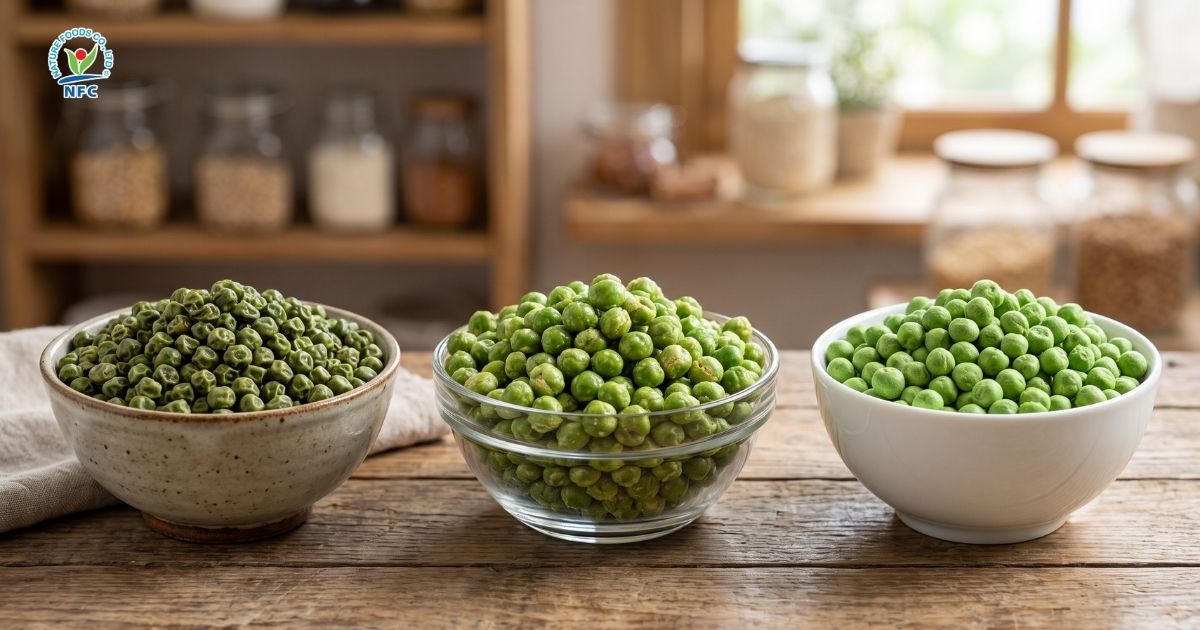
Depending on the underlying dehydration technology, dried green peas exhibit clear differences in cellular structure, residual moisture, visual coloration, bioactive retention, and manufacturing cost profiles. Understanding individual product specifications empowers F&B enterprises to select the optimal raw material solution for proprietary formulations and brand positioning.
Currently, the industrial food sector primarily utilizes three core processing technologies for green peas:
Technical B2B Comparison Matrix for Green Pea Processing Technologies
| Evaluation Metric | Hot-Air Drying (Air Drying – AD) | Vacuum Frying (VF) | Vacuum Freeze Drying (Freeze Drying – FD) |
| Core Physics Mechanism |
Hot-air convection moisture evaporation |
Low-temperature vacuum oil frying | Cryogenic flash freezing & vacuum sublimation |
| Structure & Texture |
Shrunken kernel, firm bite, low moisture |
Crispy and puffed, uniform round shape | Light porous crunch, intact 3D shape, uncracked skin |
| Color & Flavor | Dark green/brownish, subtle natural flavor | Natural green, savory crispy flavor | Vivid bright green, authentic sweet-savory flavor |
| Fat Content | 0% (Oil-free) | Low Fat (Contains minor surface oil) | 0% (Oil-free) |
| Nutritional Preservation | ~ 50% – 60% (Thermal vitamin loss) | ~ 70% – 80% | ~ 95% (Safeguards protein & vitamins) |
| Rehydration Kinetics | Slow (Requires boiling water soaking) | N/A (Ready-to-eat snack format) | Ultra-fast (Instant liquid rehydration) |
| Merchant Shelf Life |
12 – 18 months |
9 – 12 months | 18 – 24 months |
| Unit COGS Index |
Highly Cost-Optimized (Mass Market) |
Moderate (Mid-tier) | Higher (Premium / Clean Label) |
Detailed Specifications & Industrial Applications
Hot-Air Dehydrated Green Peas (Air Drying – AD)
-
Technical Attributes: Produced via circulating hot-air convection currents. Thorough moisture extraction yields an ultra-low moisture baseline, extending shelf stability and preventing mold germination.
-
Cost & Scalability: Delivers the most cost-effective operating framework, perfectly supporting high-volume commercial manufacturing under tight raw material budgets.
-
Practical Applications:
-
Serves as a dehydrated vegetable base in seasoning packets for instant noodles, porridges, instant soup mixes, and vermicelli.
-
Blending ingredient for dry soups, dumpling fillings, vegetarian patties, and prepared vegetarian meals.
-
Crispy Vacuum-Fried Green Peas (Vacuum Frying)
-
Technical Attributes: Processed via low-temperature negative-pressure oil frying. Negative pressure accelerates water flash-off without thermal oil oxidation, yielding a puffed crunchy kernel with vibrant green color and low fat retention.
-
Seasoning Coating Advantages: The porous puffed surface provides an optimal matrix for topical seasoning dusts (savory, sweet, or spicy) without losing structural crispness.
-
Practical Applications:
-
Manufacturing ready-to-eat jarred/zipper-pouch snack lines in Wasabi, Cheese, Garlic Chili, and Sea Salt flavorings.
-
Blending inclusion in premium Nut and Fruit Trail Mixes.
-
Vacuum Freeze-Dried Green Peas (Freeze Drying – FD)
-
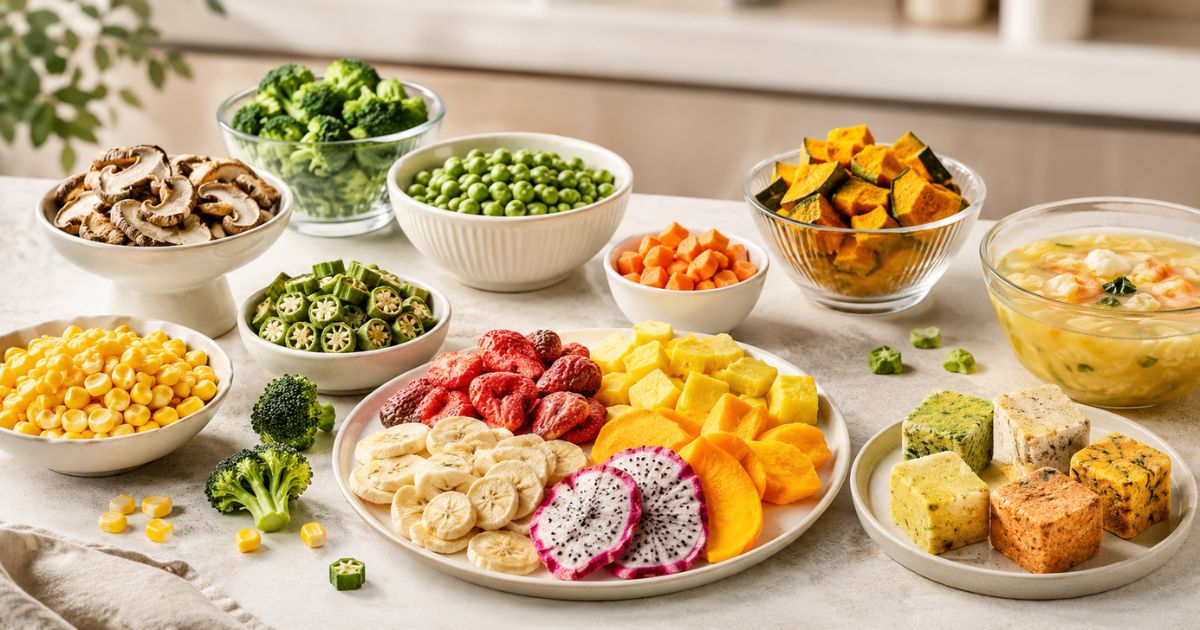
Technical Attributes: Undergoes cryogenic flash blast freezing (-30°C to -50°C) followed by vacuum sublimation. Bypassing high temperatures keeps cellular structures uncollapsed: zero shriveling, zero skin cracking, and zero shape distortion.
-
Nutritional Preservation: Serves as the ultimate technology preserving up to 95% of native plant protein, Vitamin C, Folate, and vivid green coloration matching fresh harvest.
-
Practical Applications:
-
Serves as a nutritional topping for granola, muesli, and fortified breakfast cereals.
-
Clean Label raw material for infant weaning foods and baby cereals.
-
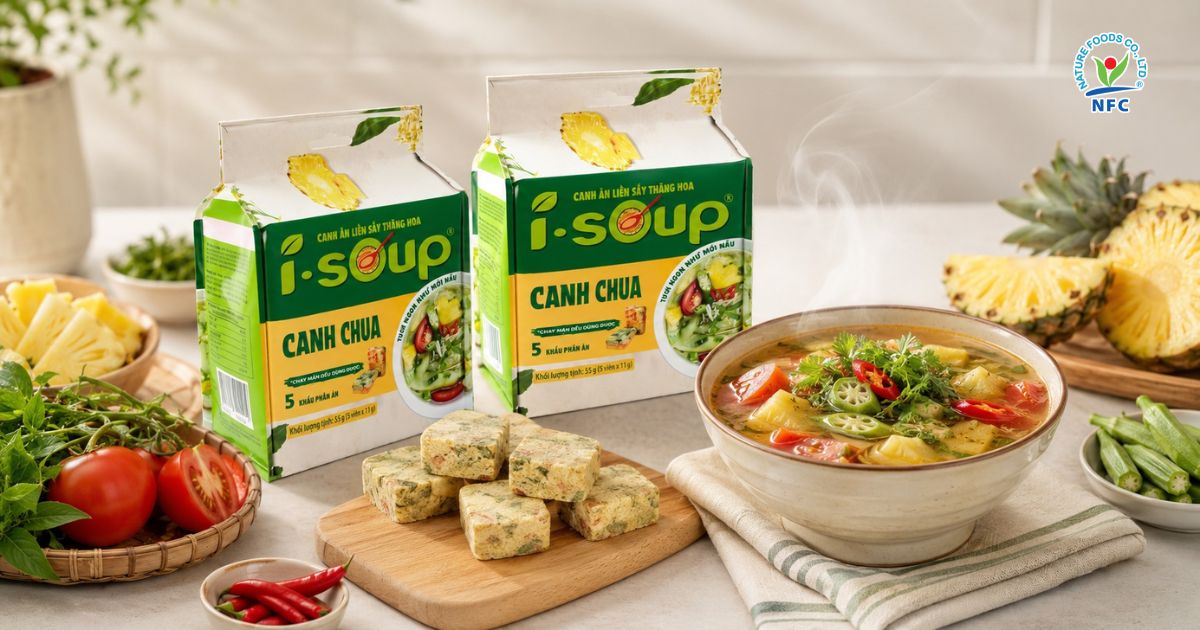
Functional inclusion in rehydrated instant soup cubes (I.Soup) due to ultra-fast rehydration kinetics.
-
Base material for nutraceuticals and plant-based protein extracts.
-
Optimizing Supply Chain Economics with Dehydrated Green Peas
For commercial food processors, ingredient costs extend past warehouse Purchase Price to encompass Total Cost of Ownership (TCO)—factoring in freight, storage footprints, yield loss, and operational risk. Transitioning from fresh or frozen green peas to industrial dehydrated green peas delivers clear economic advantages:
Trimming Transport Expenses by 70%–80% & Optimizing Storage Footprints
-
Mass Mass Reduction: Fresh green peas contain 75% to 78% water weight. Dehydration extracts moisture thoroughly, cutting raw weight by 4 to 5 times. Food brands slash shipping costs per unit of protein/nutrition harvested.
-
Eliminating Cold Chain Logistics Liabilities: Fresh or IQF frozen peas demand continuous cold storage (-18°C), incurring high utility and specialized freight bills. Dehydrated green peas store perfectly under ambient room temperatures, freeing up cold warehouse footprints.
Stabilizing Cost of Goods Sold (COGS) & Year-Round Sourcing
-
Insulating Against Seasonal Price Volatility: Fresh pea prices fluctuate according to harvest cycles. Dehydrated peas feature an extended shelf life of 18 to 24 months, allowing procurement divisions to lock multi-quarter supply contracts at fixed rates to protect gross margins.
-
Optimizing Plant Manufacturing Schedules: Plants maintain steady inventory reserves without exposure to seasonal crop shortages or supply chain disruptions.
100% Yield Utilization – Eliminating Pre-treatment Losses
-
Zero Spoilage Write-Offs: Fresh peas are prone to crushing, mold, or fermentation in transit. Factory-processed dried green peas meet strict microbiological safety and moisture standards, ensuring 100% yield utilization on automated assembly lines.
-
Saving Floor Labor & Pre-Treatment Equipment: Food processors bypass podding, washing, sorting, and blanching steps. Dried peas enter automated mixing lines directly, compressing manufacturing lead time.
Product Portfolio Flexibility
With versatile particle formats (whole, split halves, fine powder) and technology choices (AD, FD, Vacuum Frying), enterprises flexibly calibrate raw material COGS per retail segment:
-
Mass-Market Offerings: Deploy hot-air dried peas (AD) to achieve competitive unit COGS for mass instant noodle vegetable packets.
-
Premium & Clean Label Offerings: Deploy freeze-dried green peas (FD) to command premium pricing, retain 95% nutrition, and attract health-conscious consumers.
Key Evaluation Criteria for Selecting a B2B Dried Green Pea Supplier
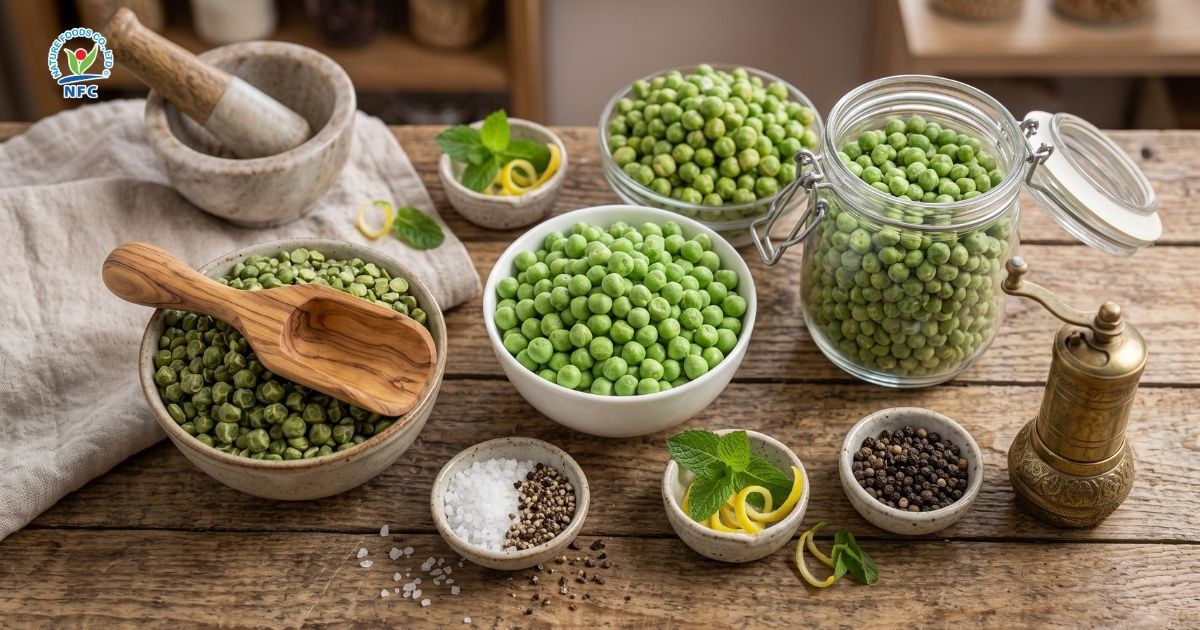
Multi-Batch Structural & Slicing Uniformity
A major challenge when processing green peas at industrial scale is preventing cell shrinkage, skin splitting, or hollow kernels post-drying. For premium lines like cereal mixes or ready-to-eat toppings, uniform roundness and unfragmented skins dictate sensory value.
Enterprises should prioritize suppliers demonstrating strict process control. Backed by multi-decade tenure in B2B manufacturing, Nature Foods enforces rigorous controls from raw sizing to dehydration parameters—ensuring high batch-to-batch roundness, uncracked skins, and structural integrity.
Technology Diversity to Balance Unit COGS
Green peas feature across diverse food categories, from mass-market instant soup sachets to gourmet snacks and fortified cereals. Each segment demands specific cost structures and quality baselines. Partnering with a manufacturer operating multiple processing setups allows enterprises to calibrate specifications flexibly without being locked into a single process.
Nature Foods operates three core dehydration technologies: Hot-Air Convective Drying (AD) for cost optimization, Microwave Drying (MD), and Vacuum Freeze Drying (FD) for maximum nutrient retention. This diversity provides food brands with flexible ingredient solutions aligned with product positioning.
Turnkey R&D and Flexible OEM/ODM Contract Support
Formulating new food offerings with processed green peas requires testing versatile specifications: whole kernels, split halves, or fine-milled powders. A contract processor with strong R&D capabilities compresses prototyping timelines and optimizes formula performance.
Through turnkey OEM/ODM contract services, Nature Foods assists commercial partners from lab sample prototyping and custom packaging adjustments to automated industrial mass manufacturing.
Global Quality Certification Grid for Export Clearance
Processed green peas used in health-focused food lines undergo strict regulatory screening for pesticide residues, heavy metals, and microbiological safety. For brands targeting hypermarket chains or international exports, the contract manufacturer’s global safety credentials represent a non-negotiable requirement.
Facilities at Nature Foods operate under strict audited international standards: BRCGS, ISO 22000, HACCP, FDA, HALAL, GLOBALG.A.P., and SEDEX – SMETA—supplying the compliance foundation required to clear customs filters globally.
Frequently Asked Questions Regarding Dried Green Peas (FAQ)
1. Does Nature Foods provide private-label contract manufacturing (OEM/ODM/Private Label) for dried green peas?
Yes. Nature Foods delivers turnkey OEM, ODM, and Private Label contract services for food brands developing proprietary products. Depending on commercial strategy, clients can select:
- OEM Services: Manufacturing executed strictly according to existing Nature Foods technical specifications and formulas.
- ODM Services: Collaborative R&D from sample prototyping, topical flavor seasoning (Wasabi, Sea Salt, Garlic Chili, Cheese), moisture/size adjustments, to retail packaging execution.
2. Can Nature Foods customize green pea specs according to private corporate technical requirements?
We agilely adjust product specifications to fulfill specific project parameters:
- Technology Options: Advisory selection across Vacuum Freeze Drying (FD), Hot-Air Convection (AD), Vacuum Frying (VF), or Microwave Drying (MD).
- Formatting: Supplying whole round kernels (Whole), split halves (Halves / Split Peas), or fine-milled powders (Pea Powder).
- Parameters: Adjusting target residual moisture, water activity ($a_w$), skin cracking tolerances, and protective barrier packaging (aluminum zip pouches, PET canisters, bulk industrial cartons).
3. What is the Minimum Order Quantity (MOQ) for wholesale procurement or contract processing at Nature Foods?
MOQ thresholds are flexibly calibrated based on processing technology and packaging formats:
- Standard Catalog Items (B2B Bulk Packaging): Flexible MOQ starting from 10 – 20 kg to support pilot trial runs.
- Custom Contract Orders (Custom OEM/ODM, topical seasoning, private labeling): MOQs range from 100 kg to several tons depending on the technology line (AD or FD).
Leveraging an industrial plant capacity clearing 3,000–4,000 tons annually, Nature Foods provides cost-optimized solutions aligned with partner order volumes.
4. Is freeze-dried green pea (FD) susceptible to moisture absorption, and how should it be handled?
Due to its open micro-porous cellular matrix post-sublimation, freeze-dried green peas display rapid hygroscopic behavior. To resolve this:
- Nature Foods encloses finished lots inside specialized multi-layer aluminum foil packaging (vacuum-sealed or nitrogen-flushed).
- In unopened packaging, the product maintains crispness, natural green color, and a shelf life of 18 to 24 months at ambient room temperature.
- During industrial blending (e.g., granola assembly, soup cube pressing), raw materials should be handled within humidity-controlled cleanrooms (RH < 40%).
5. Does Nature Foods provide complimentary R&D sample testing prior to commercial contract signing?
Yes. Nature Foods dispatches complimentary R&D sample lots to client QA/QC and R&D divisions to evaluate sensory profiles, color, crispness, and rehydration kinetics via a simple 3-step workflow:
- 1. Requirement Intake: Client provides details regarding technology preference, particle format, and end application.
- 2. Sample Preparation: Nature Foods’ laboratory prepares test sample lots matching technical targets.
- 3. Sample Dispatch & Feedback: Sample lot is delivered for partner testing and specification locking prior to mass production.
6. Does the Nature Foods facility hold international safety accreditations to support exports to the US, EU, and Japan?
Yes, uncompromised. All production sequences at Nature Foods’ primary manufacturing complex in Nhon Trach 1 Industrial Zone (Dong Nai) strictly comply with audited global food safety standards:
BRCGS, ISO 22000, HACCP, valid FDA facility registration (US), HALAL, GLOBALG.A.P., and SEDEX – SMETA.
This audited compliance grid acts as an official trade passport helping client brands clear custom technical barriers and multi-national Factory Audits smoothly.