Fresh fruit sourcing depends heavily on harvest seasonality, which causes the quality of agricultural raw materials to fluctuate significantly at different times of the year and creates serious preservation, storage, and handling difficulties for industrial food processors. Freeze-dried fruit emerges as an advanced food processing methodology that completely eliminates moisture at low temperatures, perfectly maintaining the natural color, signature aroma, rich flavor profile, and original structural shape of fresh fruits. Let us explore the sophisticated freeze-drying technology, the step-by-step production manufacturing process, and its multifaceted applications inside the global B2B food industry.
What is Freeze-Dried Fruit? The Technical Principles That Retain 95% of Nutrients
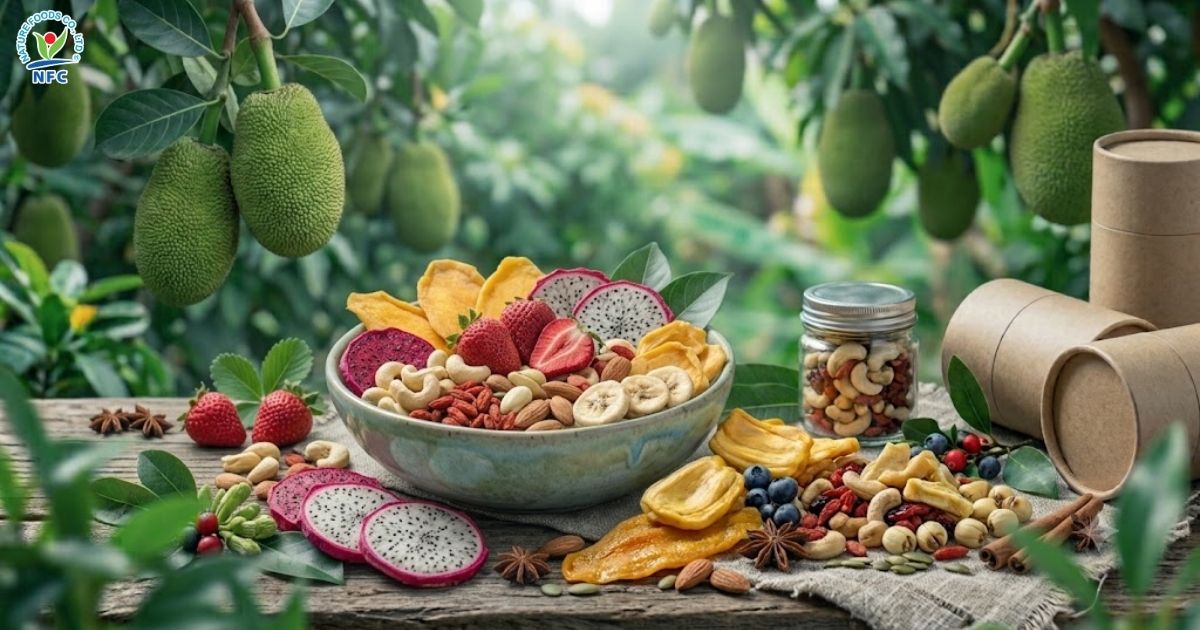
Freeze-dried fruit (Freeze Drying – FD) is an advanced dehydration technique that utilizes deep industrial freezing and moisture separation within a strictly controlled vacuum environment.
Instead of applying high heat to evaporate moisture, which inevitably degrades organic material, this modern technology forces the ice crystals within the raw input to transform directly from a solid state (ice) into a gaseous state (vapor) through the physical process of sublimation. By bypassing the liquid water stage completely, freeze-drying prevents the collapsing of cellular walls and minimizes structural alterations to the fruits.
Fresh agricultural fruits always present extreme limitations in supply chain management due to their naturally high water content, which makes them highly vulnerable to microbial spoilage and decay. Traditional thermal drying methods, while solving long-term warehousing challenges, typically darken the fruit’s natural appearance, degrade delicate aroma markers, and compromise heat-sensitive micronutrients.
This is the primary reason why advanced freeze-dried fruit technology is highly prioritized by commercial food brands manufacturing products that demand strict sensory quality, premium visual presentation, and high clean-label integrity.
The standard industrial freeze-drying cycle for agricultural fruits is divided into three critical, interconnected stages:
(1) Deep Quick-Freezing Phase (Freezing Stage): After initial washing, peeling, and cutting to exact client specifications, the fresh fruits are immediately moved onto specialized trays and placed into an industrial blast freezing tunnel. The temperature is rapidly lowered to a deep range between -40°C and -50°C.
This quick-freezing velocity ensures that the water molecules inside the fruit’s cellular structures freeze into micro-sized ice crystals. Minimizing ice crystal dimensions prevents the tearing of cell membranes, ensuring the original texture and structural parameters remain completely intact after rehydration.
(2) Primary Drying Phase (Sublimation Stage): Once frozen solid, the product trays are loaded into a sealed vacuum chamber. The internal chamber pressure is mechanically evacuated to an extreme vacuum level. Radiant heating plates then introduce controlled thermal energy.Under these precise pressure-temperature conditions, the micro ice crystals within the fruit sublimation layer immediately convert into water vapor, venting out of the fruit matrix without melting into liquid water.
This stage effectively extracts approximately 90% to 95% of the unbound moisture from the raw materials.
(3) Secondary Drying Phase (Desorption Stage): To ensure ultimate preservation stability, the manufacturing plant slowly raises the temperature plates while maintaining a deep vacuum. This stage targets bound water molecules tightly trapped within the cellular matrices. Ripping out this residual moisture brings the final moisture content down to an optimal threshold of under 1% to 4%, establishing an incredibly stable, bone-dry final material.
The ultimate result of this technical cycle executed entirely at sub-zero temperatures is freeze-dried fruit chunks that lock in over 95% of the natural nutrients, vitamins, and bioactive compounds. Heat-sensitive antioxidants, volatile compounds, enzymes, and vital elements like Vitamin C remain preserved within the fruit’s dried matrix, mirroring fresh crops.
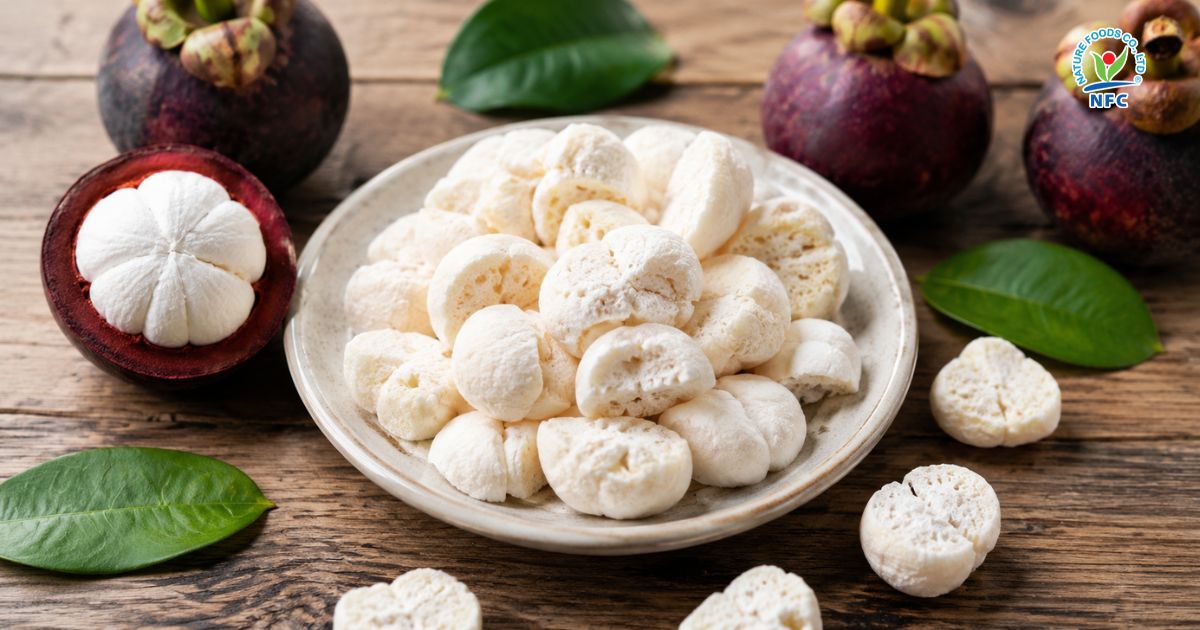
Because it does not suffer from heat-induced shrinkage or hardening, freeze-dried fruit retains its authentic fresh shape and volume but carries an ultra-lightweight, porous, and crispy texture that dissolves effortlessly on the tongue.
When introduced to moisture, these microscopic honeycombed pores act like sponges, drawing liquid back into the cell structures within seconds. This allows the ingredient to instantaneously return to a soft, beautifully colored, and deeply flavorful state that feels as though it was just harvested from the orchard.
Furthermore, this high-end technology allows manufacturers to track exact final moisture boundaries, providing industrial buyers with absolute control over raw material parameters during long-distance global transport or multi-year ambient warehousing.
The Commercial Value of Freeze-Dried Fruits in B2B Supply Chains
Mastering the technical principles behind the sublimation chamber is only the initial step. The more crucial question for corporate procurement managers and F&B production executives is straightforward: What strategic supply chain and operational operational challenges does freeze-dried fruit solve?
For a supply chain director, raw agricultural produce always introduces high volatility and operational risk. Short harvest windows, crop quality variances between regional farms, and fresh lifespans measured in mere days are the primary drivers of raw material loss and capital depreciation. Transitioning to freeze-dried fruit moves the ingredient out of basic snack classifications into a strategic business asset that redefines operational efficiency and cost management.
By extracting the water weight entirely, the material’s bulk density is optimized, allowing corporate buyers to realize major savings in global freight fees, container transport, and simple distribution handling. More importantly, with an internal moisture baseline below 4%, freeze-dried fruit halts microbial metabolism, enzymic browning, and mold development. Food manufacturers can confidently store these raw materials for 18 to 24 months at standard room temperatures, bypassing the need to lease expensive cold storage infrastructure, reefer trucks, or climate-controlled supply networks.
Within the healthy cereal, granola, and breakfast porridge manufacturing sectors, freeze-dried fruits provide an exceptional advantage. Because they are completely dry and retain an ultra-low water activity level, they can be blended directly into retail pouches with nuts, seeds, and rolled oats without causing moisture migration. This ensures the entire mixture stays crisp over a long shelf life, preventing the grains from becoming soggy or staleness in retail retail environments.
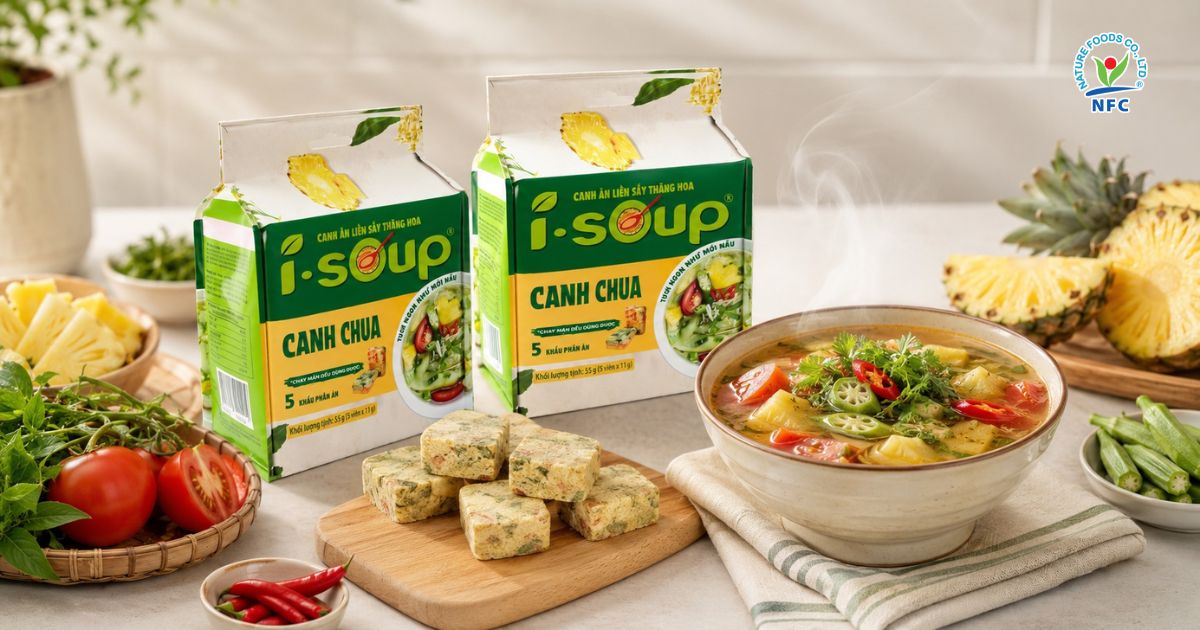
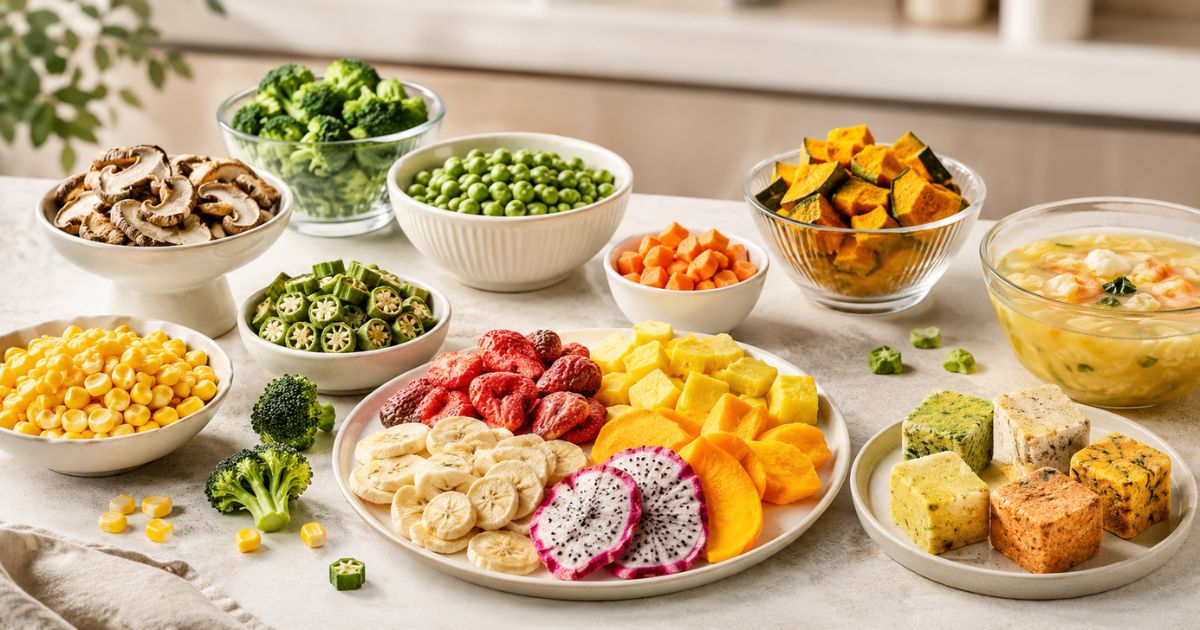
In the high-speed automated manufacturing of instant noodles, breakfast porridges, instant soups, and organic baby foods, freeze-dried fruit and vegetable inclusions (FD ingredients) demonstrate superior rehydration mechanics. Upon contact with hot liquids for just 1 to 2 minutes, the dried particles puff up uniformly, returning to their vivid natural colors and authentic mouthfeel. This allows brands to secure an immaculate Clean Label status, delivering premium sensory satisfaction without relying on artificial coloring agents, chemical texturants, or synthetic flavoring powders.
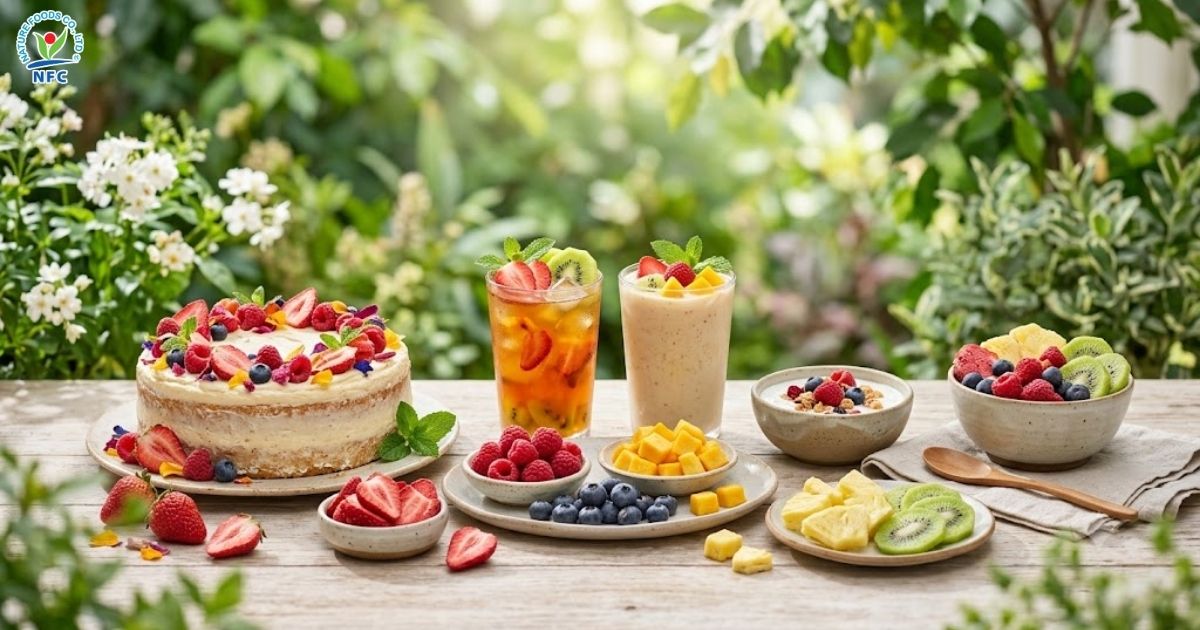
Furthermore, the functional versatility of freeze-dried fruits opens up extensive possibilities for global R&D teams. Whether processed into finely milled fruit powders for natural confectionery colorings, granular crumbles for artisanal chocolate inclusions, or custom slices for high-end ready-to-drink tea mixes, freeze-dried fruit consistently behaves as a stable, predictable, and highly profitable ingredient matrix that elevates the final value of consumer consumer products.
Criteria for Selecting an Export-Grade Freeze-Dried Fruit Factory
The commercial shift from trading raw agricultural commodities to manufacturing sophisticated, deeply processed food products requires an uncompromising approach to quality control. When reviewing prospective freeze-dried fruit contract manufacturers for OEM, ODM, or private label partnerships, enterprise buyers must carefully weigh infrastructure capabilities and international certification portfolios to eliminate brand vulnerabilities.
Global Food Safety and Audit Compliance Frameworks
For a commercial shipment of freeze-dried fruit to gain entry into elite domestic retail chains like Aeon Mall, Lotte Mart, WinMart, Go!, or successfully pass strict customs inspection protocols in Australia, Japan, North America, and the European Union, it must possess internationally recognized food safety credentials. The state-of-the-art production facility operated by Nature Foods (NFC) serves as an industry model for aligning infrastructure with modern regulatory demands:
- BRCGS & ISO 22000 Certifications: These frameworks guarantee that our entire industrial line—from the reception of fresh crops, washing, quick-freezing, vacuum sublimation, to B2B bulk packaging—operates under a strict, single-direction linear flow. This linear architecture effectively isolates separate handling phases, reducing cross-contamination risks to absolute zero.
- HACCP Systems: This systematic hazard analysis protocol continuously tracks Critical Control Points (CCPs) inside the sublimation chambers, monitoring vacuum pressure and temperature plate variations in real-time to preserve batch uniformity.
- FDA Registration: A mandatory legal requirement and regulatory baseline for any commercial brand targeting distribution inside the United States consumer marketplace.
- HALAL Certification: An essential compliance passport required to penetrate high-potential Islamic demographics across Southeast Asia, the Middle East, and global halal consumer segments.
Adaptive Processing Capacity and Ethical Corporate Responsibility
Beyond housing high-capacity vacuum sublimation infrastructure, a versatile manufacturing partner should also operate parallel thermal-drying (AD) or cool-drying assembly lines. This multi-tier setup gives enterprise clients the flexibility to coordinate cost structures, allowing them to pair premium crispy freeze-dried components with economical chewy dried pieces depending on different retail product positionings.
Furthermore, multinational food conglomerates like Unilever, Acecook, Masan Consumer, Nissin, and Nestlé enforce a strict corporate screening process based on the SEDEX-SMETA audit framework. Sourcing from a manufacturing plant that is fully vetted for ethical labor practices, safe environmental conditions, and transparent corporate governance removes compliance friction, shortening product validation periods and ensuring steady supply volume even during peak seasonal rushes.
An ideal contract manufacturer must deliver more than sophisticated machinery; they must ensure absolute, unwavering consistency across every production run, regardless of seasonal farm variations. At Nature Foods, our complete B2B industrial management strategy is anchored upon these international certification metrics, enabling us to engineer high-end dried raw food solutions tailored perfectly to the precise specifications of global manufacturing buyers.