- Core challenges from the biological characteristics of fresh mushrooms
- How Does Freeze Drying Technology Shape the Quality of Freeze-Dried Mushrooms?
- Operational Advantages and Commercial Potential of Freeze-Dried Mushrooms
- Evaluation Standards for Selecting an Export-Grade Freeze-Dried Mushroom Factory
- Frequently Asked Questions About Freeze-Dried Mushrooms (FAQ)
Core challenges from the biological characteristics of fresh mushrooms
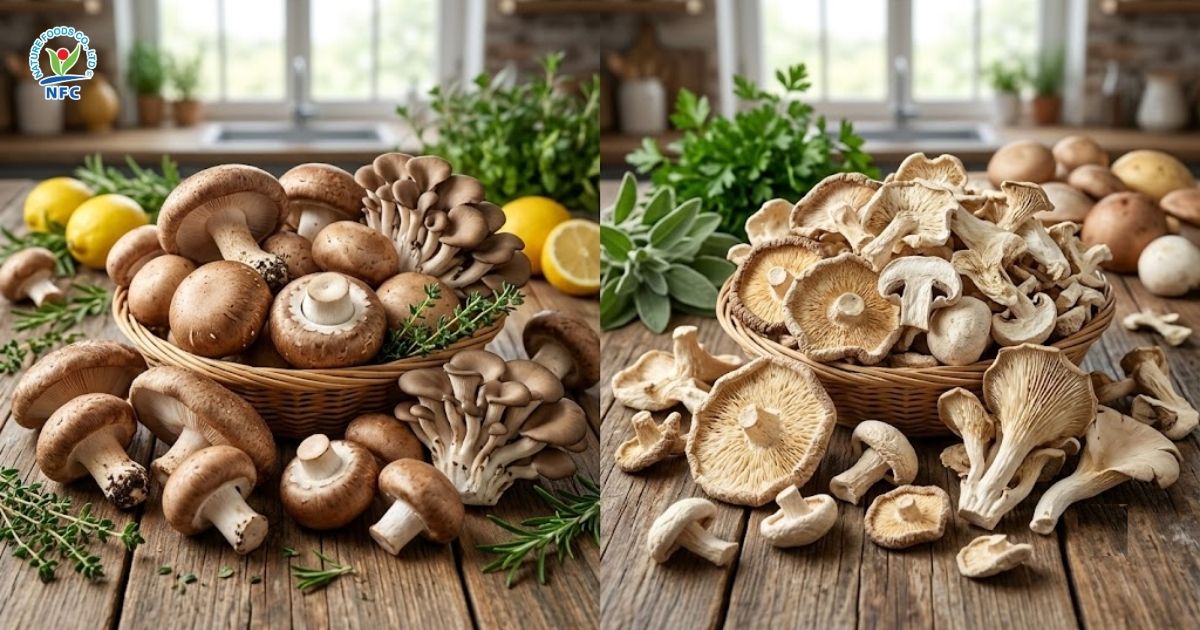
Mushrooms are nutrient-rich ingredients but are highly perishable due to their high water content. For food manufacturing enterprises, the challenge is how to extend shelf life while maintaining raw material quality. Freeze-dried mushrooms are a suitable solution thanks to their ability to preserve the structure and natural characteristics of mushrooms after the drying process.
High water content and post-harvest cellular respiration rates
Fresh mushrooms are inherently highly sensitive ingredients from a food science perspective. Biological structure analysis shows that mushrooms contain up to 90 – 92% free water, and completely lack a thick outer epidermal protective layer like typical fruits or vegetables.
After being harvested from the cultivation substrate, fresh mushroom cells do not stop but continue the process of cellular respiration with extremely high intensity. This respiration process continuously generates heat, increasing the surface moisture of the mushroom flesh fibers.
This elevated localized moisture combined with internal heat creates a stimulating effect that triggers the self-decomposition of the mushroom’s protein structure. This causes the mushroom cap to rapidly shrink, dehydrate, and soften within just 24 to 48 hours if stored under ambient environmental conditions.
Strong activation of enzymes causing browning and sensory alterations
Accompanying the high respiration rate is the rapid activation of intracellular enzyme systems natively present inside the mushroom flesh, typically the Polyphenol Oxidase (PPO) enzyme. When the mushroom is cut, sliced, or subjected to minor mechanical impacts, this enzyme immediately comes into contact with oxygen.
The oxidation of phenolic compounds occurs immediately after, catalyzing the formation of melanin pigments on the surface of the raw material. The direct consequence is that the mushroom cap and stem rapidly turn black, dull, or exhibit patchy dark brown spots.
This discoloration not only completely destroys the original sensory value of the mushrooms, making the product look unappealing, but also degrades volatile aromatic compounds, causing fresh mushrooms to lose their inherent characteristic scent.
Microbial contamination risks and strict pressures from the cold supply chain
Due to their porous, moisture-rich cellular matrix and exceptionally high content of plant proteins, fresh mushrooms serve as an ideal cultivation medium for microorganisms. Hazards of dangerous microbial cross-contamination from bacteria such as Salmonella, E. coli, Listeria or yeasts and molds are constantly waiting to attack.
To inhibit bacterial growth rates and intracellular biochemical reactions, procurement managers are forced to establish a continuous, closed cold chain supply (Cold Chain). Raw material preservation temperatures from the farm to the factory must always be strictly maintained between 2°C and 5°C.
However, operating specialized cold storage warehouses and refrigerated logistics fleets 24/7 places a massive operational cost burden on enterprises. Just a minor temperature break during transit can cause the entire batch of fresh mushrooms to become contaminated and forced to be discarded.
High mechanical loss rates directly impacting enterprise cash flow
A severe economic challenge for B2B enterprises manufacturing instant noodles, packaged porridge, or canned soups is the excessively large mechanical loss rate of fresh mushrooms. The biological structure of shiitake and straw mushrooms is highly brittle and vulnerable to physical impacts.
During aggregation, long-haul logistics, and unloading preparation at the factory, the mushroom caps are easily crushed, lose their 3D shape, or suffer surface abrasions. The actual loss rate at manufacturing facilities usually fluctuates at a very high level, from 20% to 30% of total output.
This quantitative loss directly drives up the cost of goods sold per unit of final finished product. At the same time, it severely erodes net profit margins and makes it highly difficult for enterprises to stabilize output wholesale pricing for commercial partners.
How Does Freeze Drying Technology Shape the Quality of Freeze-Dried Mushrooms?
Fresh mushrooms naturally possess a high water content, making long-term preservation a difficult challenge. Any slight shift in temperature, transit timeline, or warehouse condition can rapidly degrade raw material quality, affecting the original color, flavor, and structure.
Freeze-drying (Freeze Drying – FD) is one of the advanced methods applied to process sensitive raw materials like mushrooms. Instead of using high temperatures to evaporate water, this technology deep-freezes mushrooms at sub-zero temperatures from -30°C to -50°C, then extracts water from the product through sublimation in a vacuum environment.
By minimizing thermal impacts, freeze-dried mushrooms can maintain their shape, color, and sensory properties much better. This is also why FD technology is typically selected for products with high raw material standards, particularly in the processed food and export industries.
The principle of freeze drying helps maintain mushroom structure
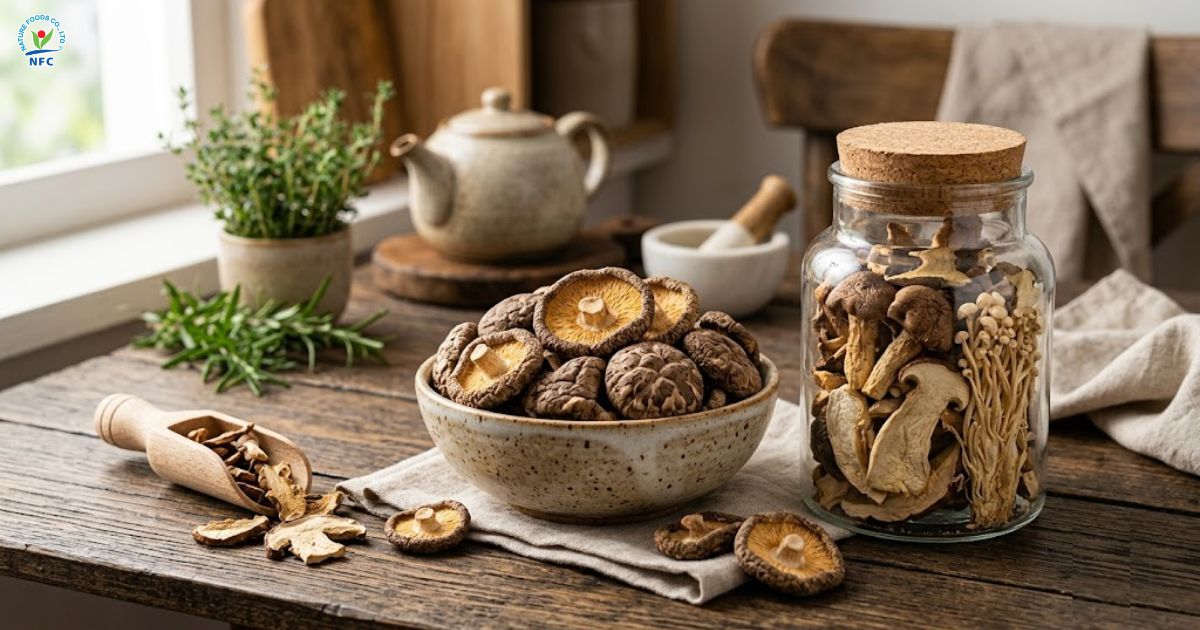
The core difference of freeze-dried mushrooms lies in the method of moisture extraction from the raw material. Water inside the mushrooms is converted directly from a solid ice state to water vapor, instead of passing through a liquid phase like conventional drying methods.
Thanks to this, the cellular structure of the mushrooms is minimally disrupted, limiting shrinkage or deformation after the drying cycle is complete. The finished product is porous, lightweight, shelf-stable, and possesses excellent rehydration capabilities during food preparation.
Key indicators governing the quality of freeze-dried mushrooms
FD technology is a critical factor, but final product quality also depends heavily on multiple steps before and after the mushroom drying process. Input raw material streams must be strictly controlled for freshness, dimensions, and structural integrity before entering manufacturing lines.
Pre-processing workflows, freezing velocity, sublimation parameters, and post-production moisture monitoring are all key factors affecting product stability. Therefore, when procuring freeze-dried mushrooms, such as freeze-dried straw mushrooms or freeze-dried shiitake mushrooms, enterprises need to look beyond the drying technology to evaluate the comprehensive quality control protocols of the contract manufacturing plant.
Operational Advantages and Commercial Potential of Freeze-Dried Mushrooms
Instead of relying completely on seasonal crops or harvest timelines, implementing freeze-dried mushrooms empowers manufacturers to remain highly proactive in stockpiling and distributing raw materials according to continuous demand demands.
Stabilizing raw material channels for large-scale industrial manufacturing
Enterprises frequently face severe operational disruptions during fresh mushroom procurement, such as volatile supply chains, narrow storage lifetimes, and escalating freight fees due to strict climate-controlled transit requirements.
Freeze-dried mushrooms mitigate these limitations thanks to their lightweight mass, clean packaging configurations, and logistical resilience. When required for processing, the material can be rapidly rehydrated or integrated directly into specific recipes depending on formula benchmarks.
Multifaceted applications across diverse food sectors
Freeze-dried straw mushrooms and freeze-dried shiitake mushrooms are seamlessly integrated across:
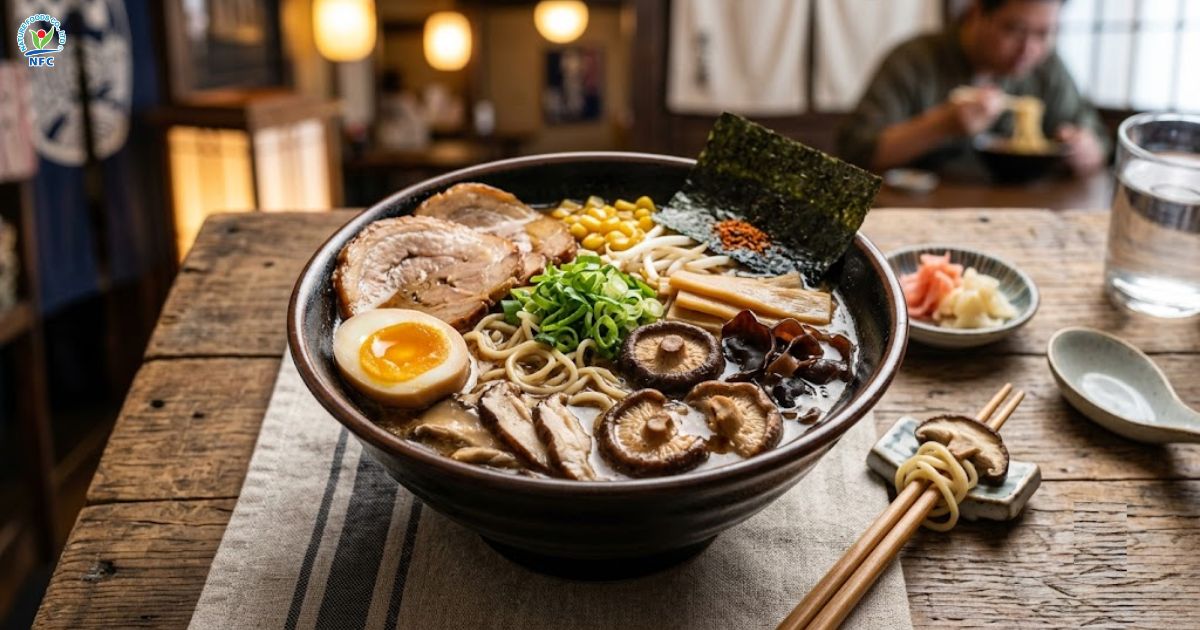
- Instant noodles, pho, and packaged porridge lines requiring dehydrated vegetable inclusions
- Industrial soup mixes, savory broths, or customized seasoning blends
- Convenience foods demanding highly extended room-temperature shelf lives
- Raw processing materials for automated commercial kitchens, HoReCa chains, or food enterprises
This high versatility positions freeze-dried mushrooms as an ideal strategic asset for corporate portfolios looking to prototype new lines without relying completely on seasonal fresh mushroom crop cycles.
Evaluation Standards for Selecting an Export-Grade Freeze-Dried Mushroom Factory
For enterprises looking for OEM/ODM partners, a contract factory operating with well-structured manufacturing frameworks ensures excellent lot stability throughout product development and long-term macro distribution.
Strict input raw material control matching precise production baselines
The baseline quality of freeze-dried mushrooms starts right at the initial screening and sorting of fresh crops. Fresh inputs must be tightly monitored for freshness metrics, size uniformity, and structural integrity before tunnel blast freezing to guarantee finished batches clear ideal color and shape targets.
At Nature Foods, the entire manufacturing sequence is rigidly audited from raw input procurement to final release testing. Adopting management standards like GLOBAL G.A.P strengthens our raw material controls, providing food brands with solid assurance when selecting ingredient channels for food manufacturing.
Tailored freeze drying parameters configured for unique crop traits
Different mushroom varieties possess unique cellular properties regarding structure, moisture ratios, and post-processing quality preservation. Recognizing this, a contract manufacturing facility must have the technical agility to adjust dehydration parameters rather than running a uniform baseline for all items.
Nature Foods houses a synchronized technology matrix, anchoring capabilities on advanced freeze-drying technology (Freeze Drying – FD). Deep sub-zero quick freezing paired with high-vacuum sublimation efficiently strips out moisture, maintaining the vibrant colors, original structure, and native characteristics of mushrooms post-drying.
Alongside premium FD options, the plant also operates hot-air drying loops (Air Drying – AD), industrial sterilization systems, and automated microwave drying pipelines to answer versatile food product requirements seamlessly.
Global quality management frameworks certified for export clearance
Tracking high-volume export contracts for freeze-dried mushrooms requires that quality parameters extend past basic sensory grading to heavily address verified biological safety, cross-batch uniformity, and immaculate plant floor oversight.
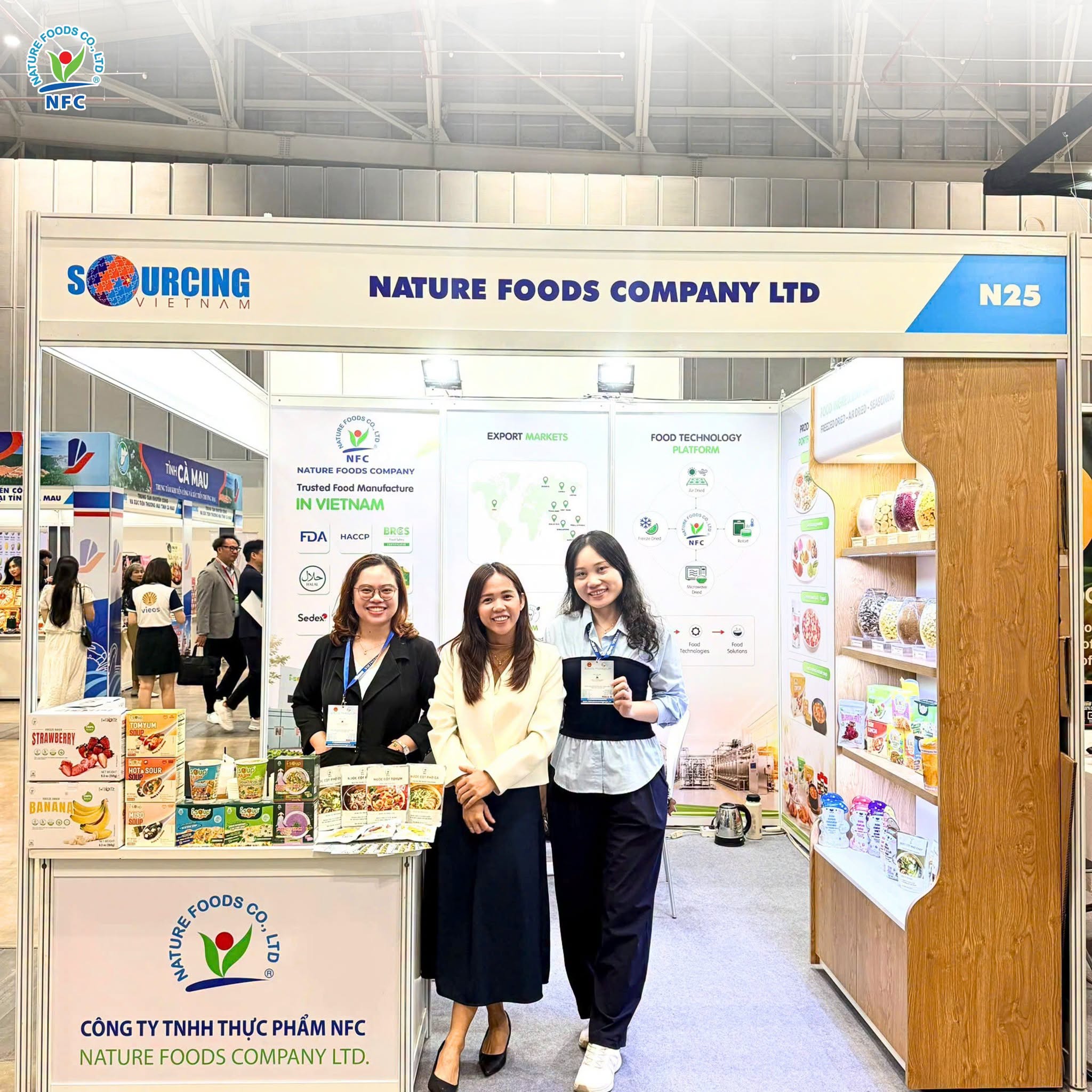
Nature Foods runs all floor operations under a robust matrix of international certifications: BRCGS, ISO 22000, HACCP, FDA, HALAL, and SEDEX – SMETA. This structural framework allows your enterprise to confidently clear strict regulatory requirements tracking food safety, corporate ethics, and specialized market guidelines across global borders.
Turnkey OEM/ODM contract manufacturing frameworks tailored for enterprise scaling
Every consumer food brand works with unique specifications tracking bulk sizing layouts, final moisture benchmarks, or private packaging designs. Therefore, adaptive contract manufacturing agility is a critical pillar when selecting a B2B partner.
Operating under a full-scale OEM/ODM contract model, Nature Foods actively steps beside enterprises to manage new product discovery, recipe fine-tuning, and volume manufacturing of high-end freeze-dried products tailored to private standards. Our facilities are fully equipped to satisfy bulk B2B agreements, boasting a catalog of over 300 products and a factory output exceeding 3,000 tons of finished lots annually.