The growing trend of introducing Vietnam’s processed agricultural products into the global marketplace is opening up massive commercial opportunities for the soft-dried melon sector. However, navigating rigid technical barriers to trade, specifically restricting synthetic preservatives and artificial sugar limits inside sophisticated import markets, consistently forces corporate procurement divisions to solve complex operational equations.
- Overview of the Dried Melon Market: Capitalizing on the Global "Healthy Snacking" and "Clean Label" Consumer Waves
- Technical and Operational Comparison of Dominant Melon Drying Technologies
- Why Should Commercial Food Entities Transition toward Freeze-Dried Melon Contract Manufacturing (FD)?
- Industrial OEM/ODM Contract Processing and Wholesale Supply at Nature Foods
- Conclusion
- Frequently Asked Questions in Dried Melon Sourcing & Contract Processing (FAQ)
Overview of the Dried Melon Market: Capitalizing on the Global “Healthy Snacking” and “Clean Label” Consumer Waves
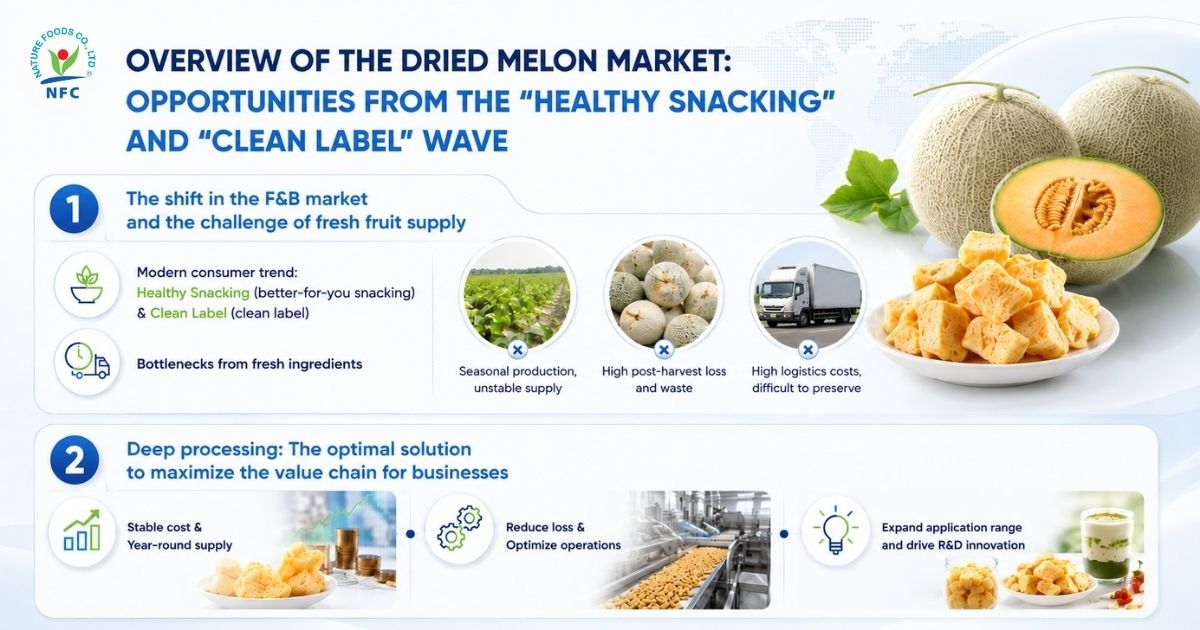
Possessing a mild, refreshing sweetness, high native juice parameters, and a highly distinctive aroma canopy, melons (cantaloupes) have historically positioned themselves inside upscale premium fruit categories heavily favored by global consumers. Moving past basic retail cooling fruits, melon serves as a heavy nutritional matrix packing concentrated lines of Vitamin A (natively developed via rich beta-carotene chains) and Vitamin C, acting as an elite antioxidant vehicle to anchor human immune functionalities.
The Dynamic Evolution of the F&B Sector and Perishable Sourcing Liabilities of Fresh Fruits
-
Modern Consumer Movements: Stepping into 2026, the global food sector and Vietnam’s domestic market are experiencing a strict structural shift from heavily engineered industrial snacks toward functional Healthy Snacking frameworks and verified Clean Label alignments (demanding zero chemical preservatives, minimal sweeteners, and zero artificial additives). Discerning consumer groups are completely prepared to absorb premium retail pricing for finished lines that perfectly safeguard raw crop values, native vitamins, and original color identities.
-
Supply Chain Gaps in Fresh Produce Sourcing: Although downstream industrial buying volumes tracking melons are massive, trading raw fresh orchards introduces extreme operational liabilities due to narrow post-harvest lifespans. Particularly upon reaching optimal maturity, the cell walls turn soft and porous, rendering fresh melons highly sensitive to mechanical bruising, outer skin splitting, and rapid micro-bacterial decay throughout transport loops. For F&B corporate entities, anchoring product formulas on raw fresh fruit networks forces exposure to intense mechanical product losses, expensive continuous cold storage logistics overheads, and severe price-volume shocks dictated by crop seasonality.
Deep Processing Solutions: Redefining Value Chain Engineering for Global Food Brands
To systematically decouple operations from the perishable liabilities of raw orchards, industrial-scale deep processing solutions have been aggressively deployed, outputting highly stable dried melon ingredient matrices.
Proactively drawing out internal liquid moisture via advanced food dehydration setups while perfectly shielding the native vascular fiber lines, finished processed melon lots condense fruit sweetness into a rich profile while locking in active bioactive compounds present in fresh harvests. This technical engineering setup bypasses shelf life limitations entirely, providing volume buyers with strategic commercial leverage:
-
Price Stabilization & 365-Day Sourcing Security: Transforms a highly sensitive, seasonal agricultural crop into a standardized ingredient channel that can be reliably purchased for 12 consecutive months without facing raw market pricing swings.
-
Freight Cost Compression & Zero Bruising Losses: Dangerously high warehouse spoilage and skin split write-offs are driven down to absolute zero margins. The immense physical weight compression post-drying slashes variable maritime and domestic shipping expenses (logistics costs) per container unit profoundly.
-
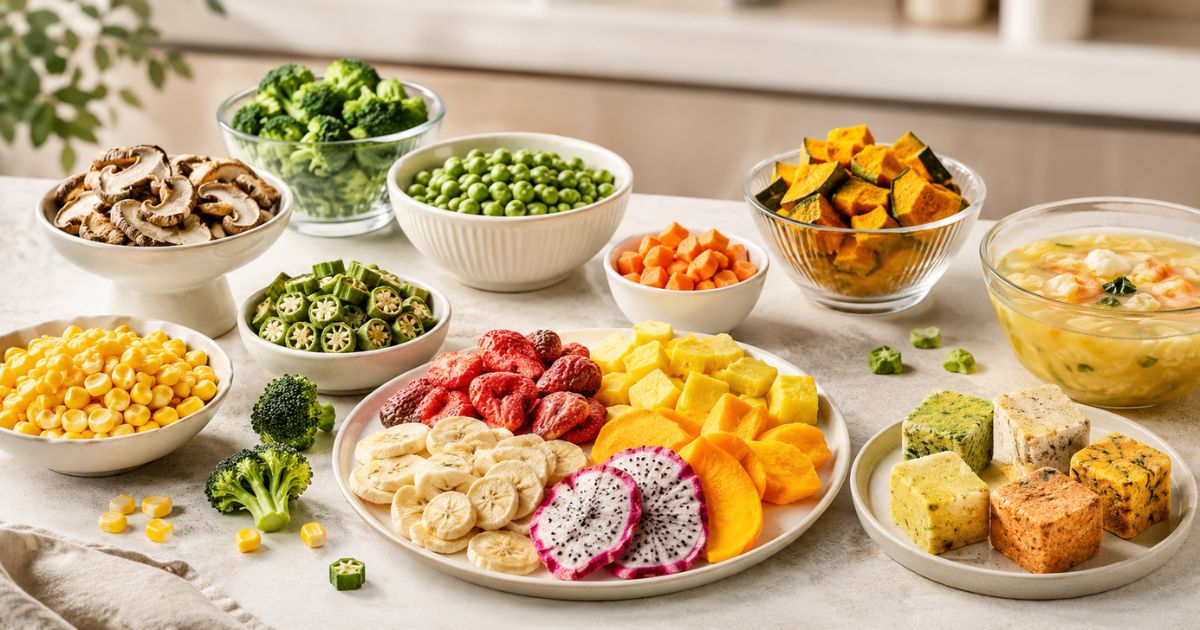
Expanding R&D Formulation Agility: Both soft-dried and vacuum freeze-dried configurations behave as highly adaptive semi-finished industrial bases, enabling product development divisions to seamlessly integrate them into clean breakfast granolas, elite confectionery baking inclusions, functional milk tea toppings, or organic detox fruit tea boxes.
Technical and Operational Comparison of Dominant Melon Drying Technologies
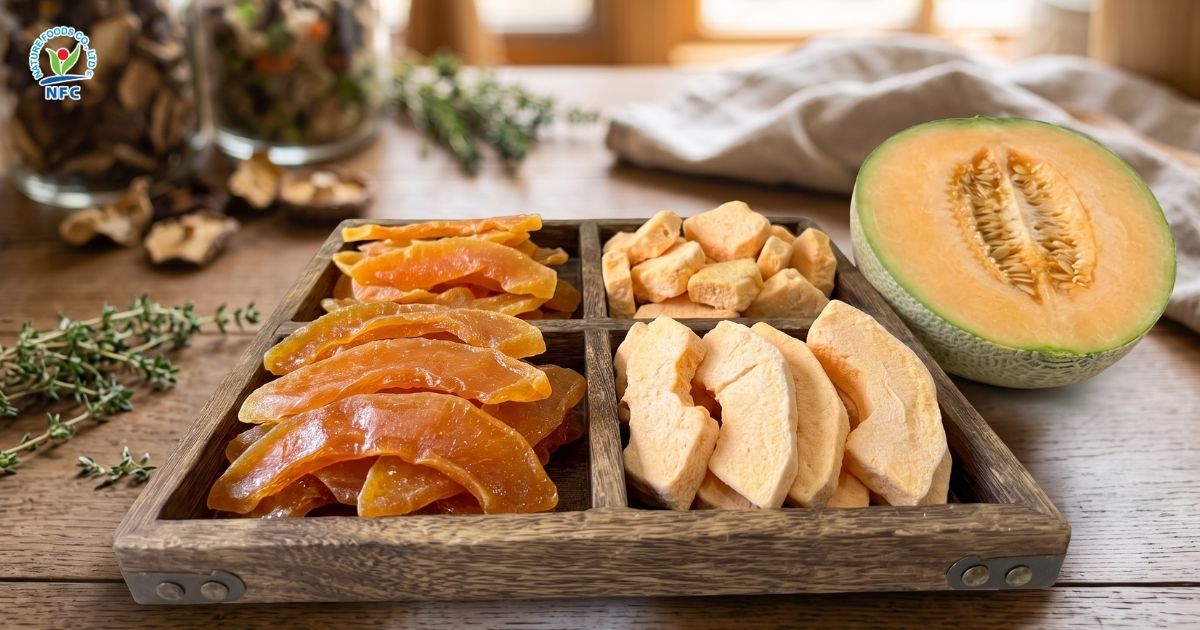
When deploying a novel processed melon product track, food enterprises must rigidly balance three core variables: the processing mechanism, the final sensory attributes of the lot, and long-range operational cost structures.
Industrial Performance and Commercial Parameter Matrix
To equip corporate procurement offices and R&D groups with complete analytical transparency before committing engineering resources or launching high-volume bulk contract agreements, below is a detailed technical comparison matrix:
| Evaluation Indicators | Soft-Dried Melon (Low-Temp Air Drying – AD) | Freeze-Dried Melon (Vacuum Sublimation – FD) |
| Core Thermodynamic Mechanism | Dehumidified positive air streams (30 – 50°C) induce surface-to-core fluid evaporation slowly. |
Cryogenic flash blast freezing (< -40°C) locks cell fluid into ice, subsequently sublimating crystals directly into gas inside high vacuums. |
| Residual Moisture Borders |
15% – 20% (High internal water activity). |
< 3% (Ultra-low moisture saturation). |
| Cell Morphology & Sensory Profiles |
Pliable, chewy, dense chew; color profile darkens due to concentrated natural crop sugars. |
Extremely lightweight, honeycombed crispness, perfectly guards original 3D shape and bright golden hues. |
| Bioactive Retentions | Partial degradation of heat-sensitive micronutrients (Vitamin C, Beta-carotene) under extended drying exposures. |
Safeguards more than 95% of native vitamins, active plant enzymes, and volatile flavor elements. |
| Merchant Shelf Stability | Narrow window (6 – 9 months); vulnerable to color darkening over extended holding times. |
Extended (12 – 24 months under standard warehouse footprints) due to complete microbial isolation. |
| Logistical Constraints |
Requires continuous climate-controlled cold storage footprinting to prevent mold growth during long transits. |
Thrives under standard ambient temperatures inside airtight setups. Completely eliminates specialized refrigerated container bills. |
Soft-Dried Melon: Financial Optimization for Mass-Market Consumer Portfolios
The engineering architecture of soft-dried melon focuses on drawing out excessive fruit juices while intentionally stopping dehydration short of a total dry state, locking residual moisture at a 15-20% boundary. This careful stabilization yields a characteristic tender, pliable, and jammy chew, delivering a mouthfeel that closely mirrors a fresh slice upon consumption.
-
Streamlining Cost of Goods Sold (COGS): The required machinery asset allocation and utility electricity consumption indexes for low-temperature convection (AD) loops remain substantially lower than freeze-drying setups. This structural leverage enables brands to optimize final shelf prices, penetrating mass consumer tracks via classical supermarket networks and high-frequency convenience retail channels smoothly.
-
Rigorous Quality Control (QC) Pressures: Because soft-dried melon retains an inherently elevated moisture baseline, its natural resistance against spoilage micro-organisms is limited compared to bone-dry methods. Consequently, commercial brands must deploy advanced high-barrier complex laminated multi-layer packaging structures and carefully monitor micro-biological parameters to isolate lots from mold contamination. Furthermore, managing the natural darkening of fruit tissue (the Maillard browning reaction) after 3 to 6 months of storage poses a constant challenge for R&D divisions looking to avoid chemical additives like Sulfites—compounds that face aggressive regulatory bans or restriction barriers across strict international custom check lanes.
Freeze-Dried Melon (FD): Uncompromised Sensory Architecture and Global Logistics Moats
Industrial freeze-drying technology operates on clean sublimation mechanics executing under absolute vacuum parameters. Fresh melons are quickly routed into cryogenic tunnels to undergo flash freezing below -40°C, locking intracellular water coordinates into ice crystals before dropping air pressure to drive crystals to convert directly into gaseous vapor without passing through liquid states.
-
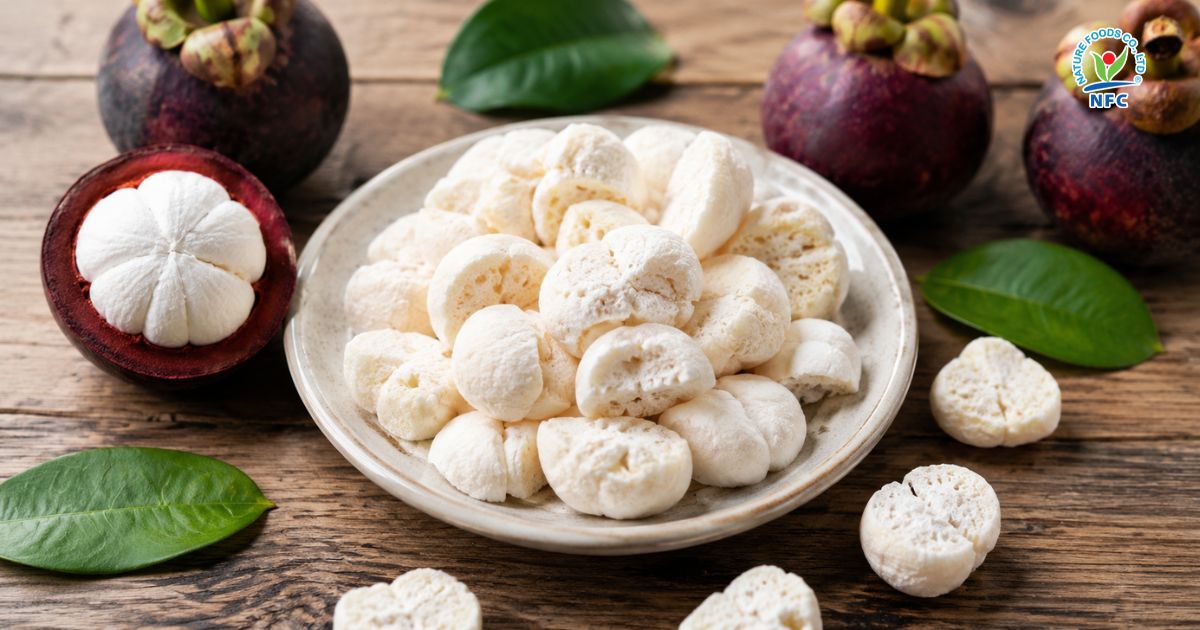
Flawless Structural and Nutrient Protection: For high-water-volume agricultural crops like cantaloupes, vacuum freeze drying acts as the ultimate protective shield over fresh characteristics and original crop markers. The resulting freeze-dried melon pieces display a pristine, highly uniform honeycombed cellular network that delivers an incredibly light, airy crispness, maintains an authentic golden color, and exhibits elite rehydration kinetics—absorbing liquids near-instantly to return to fresh juicy textures inside mixed applications.
-
Global Logistics and Supply Chain Moats (Cross-Border Distribution): * Bypassing the Cold Chain: Impeccable extraction of water down below 3% completely isolates foodborne pathogens, molds, or active yeasts from propagation grids without relying on chemical preservative inputs. Finished ingredient inventory can be safely distributed and warehoused globally at normal ambient room temperatures with zero degradation risks.
-
Drastic Freight Overhead Compression: Slicing down internal mass by 85% to 90% compared to fresh orchards slashes variable transportation costs calculated by weight across domestic freight and long-haul marine container logistics. This provides volume Procurement offices with vital economic leverage to streamline total operational budgets per container unit.
Why Should Commercial Food Entities Transition toward Freeze-Dried Melon Contract Manufacturing (FD)?
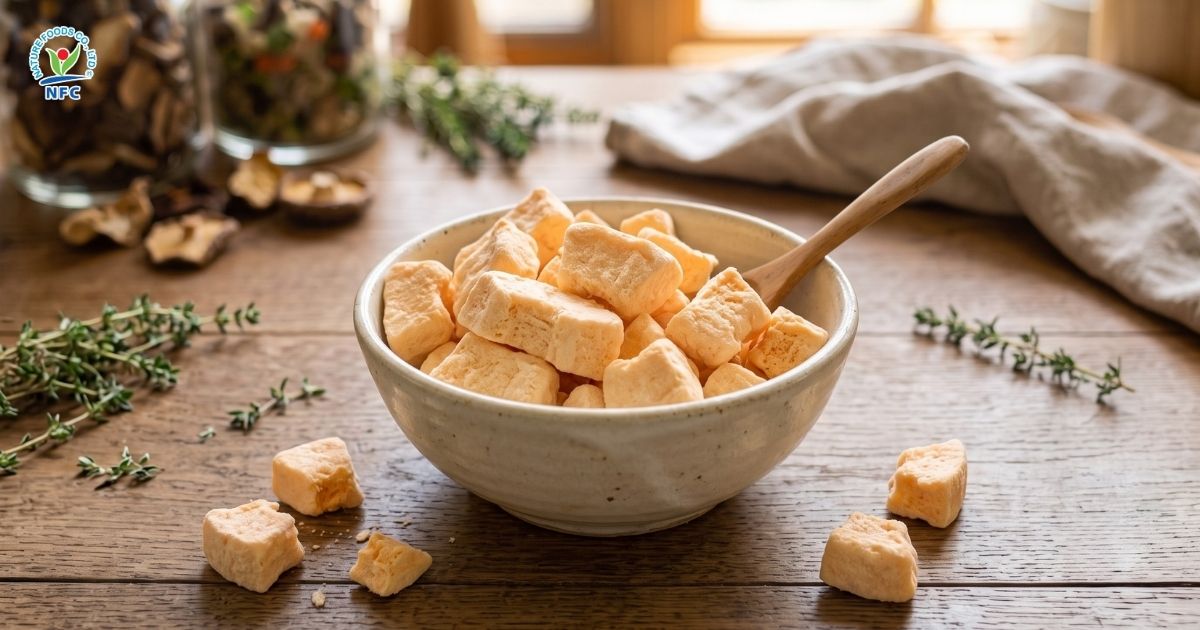
Legacy soft-dried and hot-air convection dehydrated melon configurations face relentless price-cutting margins and intense market saturation. Within this hyper-competitive landscape, shifting product architecture from soft-dried tracks into vacuum freeze-dried (FD) ingredients operates as an intelligent strategic initiative to capture premium commercial positioning and manufacture uncopiable competitive moats.
Securing Unrivaled Sensory Differentiation
Sourcing an agricultural ingredient lot that reliably locks in an authentic golden yellow color saturation, intense native fruit scent profiles, and an innovative crispy texture cleanly separates finished goods from standard shriveled soft-dried variants. Unlike air-dried methods that induce intense sugar crystallization that causes tooth-stickiness and tissue darkening, freeze-dried melon delivers an elegant, instantaneous melt-in-the-mouth snack experience, immediately engaging the sensory preferences of high-end consumer groups.
Securing Premium Product Positioning and Maximized Gross Margins
Backed by elite sensory attributes, enterprises can command highly favorable retail pricing architectures compared to conventional soft-dried options, significantly expanding per-unit profit margins (Premium Margins). This functions as an efficient gateway to diversify advanced high-end portfolios, helping commercial brands seamlessly clear entry filters for:
-
Upscale premium natural grocery networks and organic supermarket chains (such as Annam Gourmet, Nam An Market, etc.).
-
Luxury corporate agricultural hamper curators and holiday corporate gifting designers.
-
Health-and-wellness conscious demographics displaying high buying indices and strong loyalty to pure formulations.
Seamlessly Dissolving Technical Barriers to Trade for Cross-Border Custom Clearance
Demanding global destination economies—encompassing the United States (FDA parameters), the European Union, Japan, and Middle Eastern trading blocks (Halal regulations)—enforce exhaustive oversight tracking added cane sugars and chemical preservative residues (such as Sulfur Dioxide).
Industrial freeze-drying technology supports absolute compliance on these fronts because its dehydration mechanics are completely physical and pure. The dry melon pieces protect native active nutrients, vitamins, and minerals flawlessly without requiring chemical interventions or stabilization additives. This natural alignment allows your final shipments to effortlessly clear analytical customs testing and plug directly into multi-national supply chain networks.
Industrial OEM/ODM Contract Processing and Wholesale Supply at Nature Foods
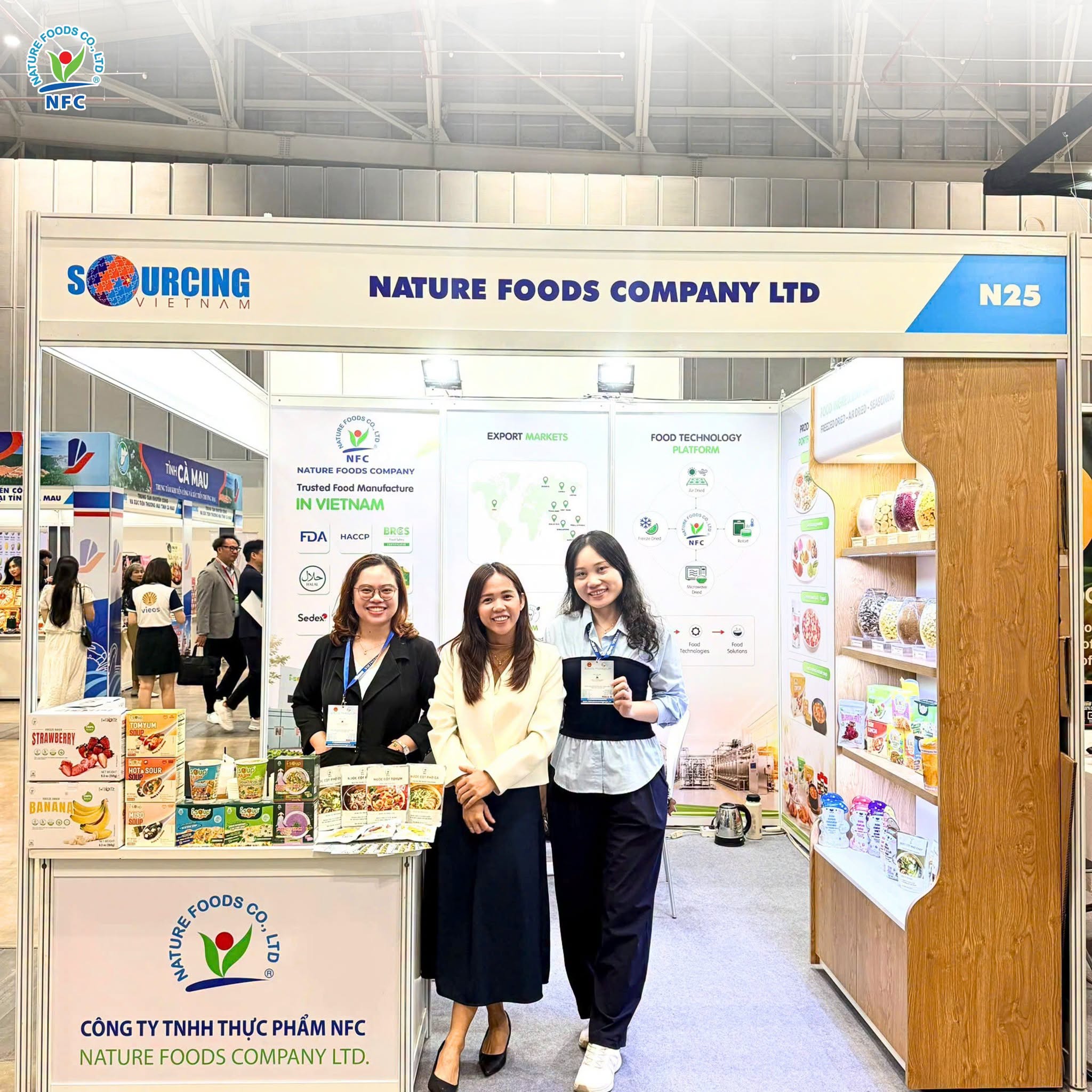
Leveraging extensive strategic tenure inside the B2B food manufacturing landscape, combined with multi-tiered advanced dehydration infrastructure and a centralized processing complex inside Nhon Trach 1 Industrial Zone, Dong Nai, Nature Foods delivers end-to-end capabilities—supplying export-grade bulk melon raw materials and deploying full turnkey contract manufacturing solutions for private label rollouts.
Turnkey Tailored OEM/ODM Melon Processing Solutions
Nature Foods assists food enterprises and retail brands in refining processed melon lines through agile, flexible cooperation frameworks:
- OEM Services (Original Equipment Manufacturer): Manufacturing executed strictly according to your proprietary formulas, explicit technical parameter sheets, or targeted quality standards.
- ODM Services (Original Design Manufacturer): Strategic institutional support managing core food research, innovative product blueprinting, and technical processing configurations aligned with your commercial targets.
- White Label Solutions: Supplying world-class, shelf-ready finished items enabling your group to deploy proprietary brands instantly without absorbing factory physical asset risks or plant overhead structures.
Depending tightly on your market positioning goals, Nature Foods’ technical floor divisions flexibly adjust parameters including:
- Selecting the precise dehydration technology path (AD vs. FD).
- Mechanical cutting formats and particle sizing (slices, cubical dicing, fine powders).
- Target residual moisture limits and water activity indices.
- High-barrier packaging layouts and bulk container sizing.
- Custom regulatory quality documentation tailored to specific target destination nations.
High-Volume Industrial Bulk Supply of Freeze-Dried Melon
In addition to custom private contract runs, Nature Foods maintains continuous wholesale supply loops for commercial entities demanding stable, volume-protected processed melon ingredients to feed secondary manufacturing pipelines. Buyers can confidently contract for bulk freeze-dried melon (FD) fractions or explore our integrated matrix of alternative premium freeze-dried products.
Operating a massive facility footprint that handles a versatile production catalog of over 300 SKUs and hits a centralized annual factory output exceeding 3,000 tons of finished dry inventory, Nature Foods comfortably absorbs high-volume B2B contract agreements across versatile capacity metrics and sizing constraints.
Rigid Quality Management Vetted under International Food Compliance Systems
For dried agricultural lots destined for cross-border container shipping or high-volume distribution through corporate hypermarket grids, strict quality assurance protocols act as the core stabilizing pillar across the modern supply chain.
Nature Foods operates all cleanroom production lines under an audited framework of world-class certifications:
- BRCGS: The Global Standard for Food Safety, providing international buyers with uncompromised operational transparency and risk insulation.
- ISO 22000: Comprehensive international safety systems directing corporate manufacturing flows.
- HACCP: Systematic monitoring and critical control point mitigation executed across every floor sequence.
- FDA Registration: Supplying verified administrative and laboratory passports to ensure prompt US custom clearance.
- HALAL Certification: Verifying strict formulation and cleanroom compliance required to confidently enter Islamic consumer networks.
- GLOBALG.A.P. Sourcing: Documenting pristine crop lineage and sustainable agricultural oversight at the farm gate.
- SEDEX – SMETA Audited: Confirming unyielding adherence to ethical labor lines, transparent supply networks, and corporate social accountability.
This elite compliance foundation positions Nature Foods to easily satisfy the exhaustive vetting procedures executed by multinational consumer brands, volume retail groups, and strict border health inspectors alike.
Conclusion
Selecting the correct dehydration methodology and auditing a competent contract manufacturing facility does far more than simply govern the visual and taste metrics of processed melon lots—it directly dictates working capital velocity, line performance, and your long-term brand equity. While legacy soft-dried variants preserve specific market niches inside mass-market retail channels due to their minimized COGS baseline, advanced freeze-dried melon (FD) is authoring a complete paradigm shift for high-margin premium portfolios looking to excel under “Clean Label” parameters and target official export lanes.
To optimize your integrated supply chain, dissolve mechanical bruising loss risks, and avoid heavy capital expenditure to construct private freeze-drying tunnels, forming a strategic alliance with an institutional turnkey partner like Nature Foods represents a highly effective strategic step to leverage advanced technology. Running a clean, modern facility optimized to strict Japanese standards inside the prime Nhon Trach 1 Industrial Zone, Dong Nai, Nature Foods unswervingly commits to backing your brand roadmap—guiding implementation from early laboratory R&D sample batching down to high-velocity commercial shipping runs across the globe.
Frequently Asked Questions in Dried Melon Sourcing & Contract Processing (FAQ)
1. What are the standard merchant shelf lifetimes and warehouse footprint conditions required for soft-dried vs. freeze-dried melon products?
Soft-Dried Melon Lots: Carry a standard commercial life spanning 6 to 9 months due to an elevated internal moisture content (15% – 20%). Inventory must be strictly warehoused inside temperature-controlled cold rooms (optimally balanced between 15°C and 22°C) to slow natural sugar browning reactions (Maillard pathway) and eliminate reverse-hydration mold hazards entirely.
Freeze-Dried Melon Lots (FD): Driven down below a deep 3% moisture limit, freeze-dried cantaloupe blocks secure a highly extended product lifespan of 12 to 24 months completely independent of added synthetic chemicals or artificial stabilizers. Inventory thrives smoothly inside standard ambient room temperatures within airtight, high-barrier containers. This physical leverage completely frees your commercial entity from running expensive climate-controlled logistics networks or continuous refrigerated freight lines during cross-border container distributions.
2. What is the standard Minimum Order Quantity (MOQ) milestone for dried melon contract manufacturing runs at Nature Foods?
Master MOQ baselines for bulk B2B agreements are configured adaptively based upon your selected cooperation path (OEM recipe execution, ODM innovative design, or volume bulk ingredient procurement), private mechanical slicing geometries, and desired container formats.
For progressive new accounts or novel product tracks navigating early R&D phases, Nature Foods provides strategic operational cushion—running pilot-scale test runs to validate market footprints before locking in heavy, high-volume automated industrial manufacturing agreements. Commercial purchasing divisions are invited to connect directly with our B2B account managers to blue-print an optimized framework adjusted to your exact commercial forecasts.
3. Can particle cutting styles, sugar infusion boundaries, and technical packaging metrics be fully customized to unique corporate specifications?
Yes, completely. Nature Foods runs adaptive processing lines tailored exactly to your private brand “SOP” (Standard Operating Procedures) and targeted engineering criteria:
- Tailored Sizing & Geometry: High-speed cutting cleanrooms can output standardized slices (slices), uniform cubical dicing (dice) constructed as premium granola mixers, or milled down into 100% pure organic melon powders (FD powders) engineered for functional baking, gelato bases, and beverage lines.
- Formula Modification: Formulations can be configured to keep a completely pure, 100% sugar-free crop sweetness alignment (Clean Label baseline) or gently calibrated with light sugar parameters to satisfy clear storefront technical criteria.
- Adaptive Containment Formats: Multi-tiered packaging layouts answer bulk processing requirements via thick aluminum bags inside industrial boxes (Bulk packaging), down to retail-ready high-barrier zipper pouches, and premium PET canisters finalized under your private branding aesthetics.
4. Does Nature Foods provide active food science R&D support and guide brands through local legal filing protocols?
Yes, uncompromised. Acting as a comprehensive institutional OEM/ODM provider, Nature Foods maintains advanced food science laboratories staffed by specialized food engineers. We step beside your brand directors to develop trial runs, fine-tune delicate sensory profiles (aroma canopy, sweetness metrics, xốp vs. dẻo texturing), and lock in lot consistency before advancing to mass cleanroom production.
Simmering behind the floor, our in-house QA and legal compliance offices directly manage the technical preparation of local quality files to guarantee rapid product registration inside Vietnam, while compiling exhaustive technical validation dossiers required to clear international custom filters smoothly.
5. What specific global safety accreditations does the Nature Foods complex maintain to facilitate official exports into strict trading blocks?
Our centralized processing facilities and quality assurance architectures inside Đồng Nai have cleanly achieved the absolute highest parameters of global compliance, holding an audited credential grid consisting of:
- BRCGS Certification: The international gold standard for food safety authored by the British Retail Consortium, serving as the mandatory operational entry passport for placement inside premier Western hypermarket lines.
- FDA Facility Registration: Providing validated clearance data required to smoothly clear United States border entry lines.
- ISO 22000 & HACCP: Comprehensive international hazard analysis and automated control systems governing all manufacturing workflows.
- HALAL Portfolios: Verifying absolute adherence to religious cleanliness and ingredient rules required for official distribution across Islamic markets.
- SEDEX – SMETA Audited: Vetting strict corporate compliance regarding labor welfare, plant ethics, and environmental footprint sustainability—the non-negotiable benchmark used by multi-national consumer groups when auditing suppliers.