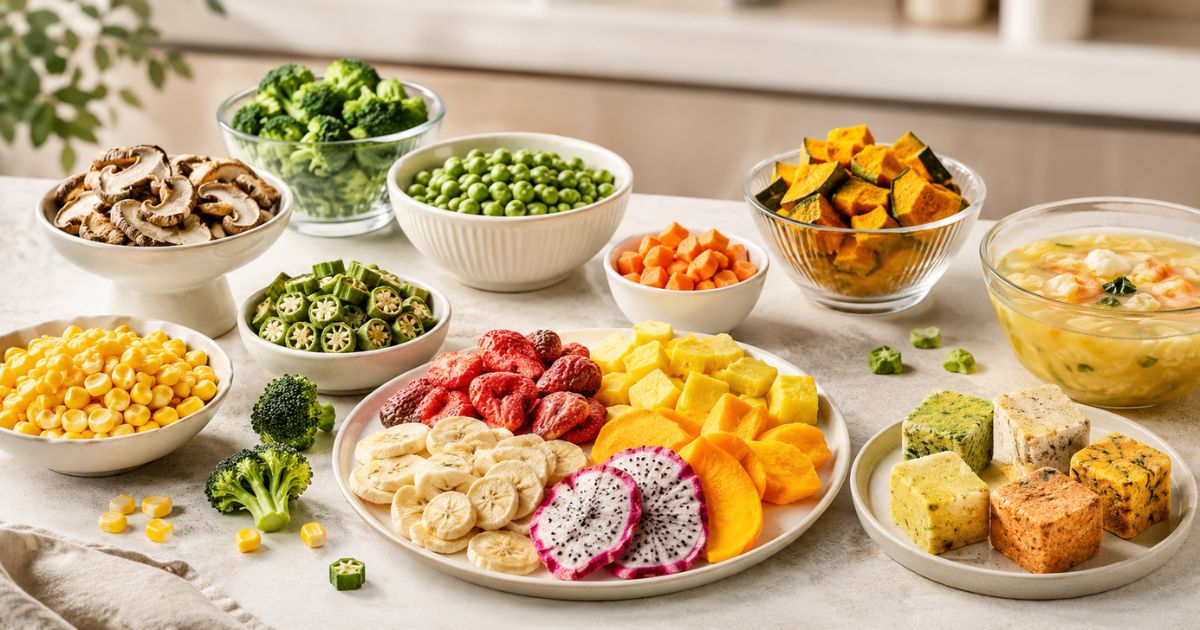
Spice production process are not only the soul of cuisine but also a key factor that distinguishes each dish. Today, the demand for natural, safe, and convenient spices is rising, driving the rapid growth of the spice production industry. In this article, N F C will guide you through the production process, criteria for selecting raw materials, and modern spice trends – where technology and traditional flavors are perfectly combined to create high-quality products that meet international standards.
What are Spices?
Spices are an indispensable component in the art of cuisine, enhancing dishes with aroma, flavor, and appeal. Essentially, spices are natural or synthetic ingredients used to create distinctive taste, color, and aroma in food.
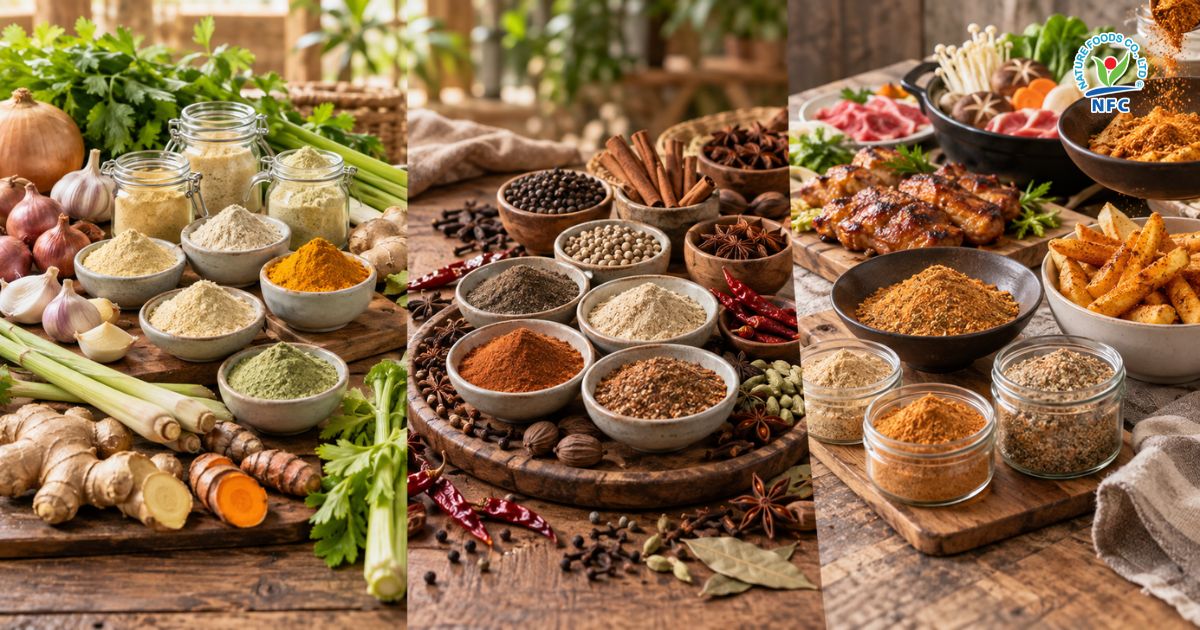
From basic types like salt, sugar, pepper, garlic, onion, chili to complex blends such as seasoning powders, dipping sauces, or condiments, spices not only enhance flavor but also contribute to food preservation, improve nutritional value, and enrich the culinary experience.

Types of Ingredients & Criteria for Selecting Raw Materials for Spice Production
To produce high-quality spices, the selection of raw materials is crucial. Common ingredients include:
-
Natural ingredients: such as herbs, vegetables, salt, sugar, garlic, onion, pepper, chili, ginger, turmeric, etc.
-
Auxiliary ingredients: cooking oils, flavor enhancers, natural flavorings, stabilizers, or food-safe colorants.
Criteria for selecting standard ingredients:
-
Clear origin: sourced from certified safe regions.
-
High freshness and purity: to preserve natural flavor.
-
No harmful chemicals: compliant with food hygiene and safety standards.
-
Compliance with international standards: such as HACCP, ISO 22000, or FSSC 22000 throughout the supply chain.
Spice Production Process
Producing spices requires a combination of modern technology and traditional processing experience. The process typically includes the following steps:
-
Preparation & Preprocessing of Ingredients: washing, sorting, drying, or grinding depending on the type.
-
Processing & Blending: ingredients are mixed according to standardized formulas to achieve consistent flavor.
-
Heating or Freeze-Drying: helps preserve flavor, color, and extend shelf life.
-
Quality Control: product samples are regularly tested for taste, moisture, microbiology, and sensory evaluation.
-
Packaging & Storage: using specialized moisture-proof packaging to protect the product from environmental impact.
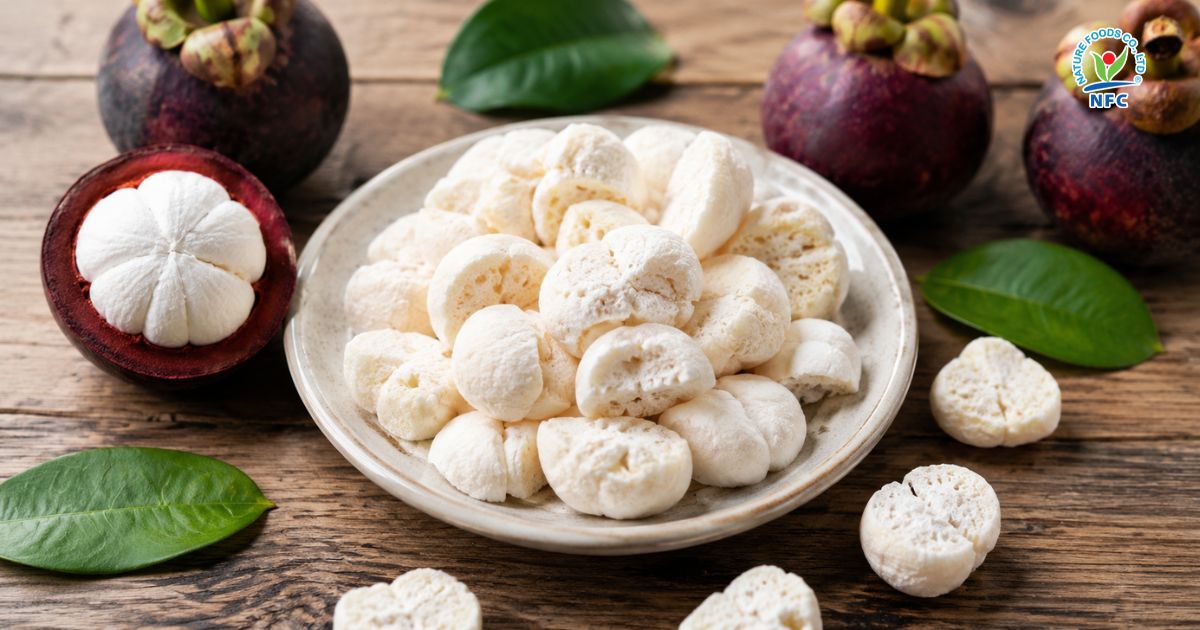
Thanks to advanced freeze-drying and cold-drying technologies, many companies like N F C maintain the original, natural, and intense flavors of ingredients.

Packaging, Storage & Distribution of Spices
Finished spices, once tested, are packaged in sterile environments using standard-compliant packaging to preserve flavor and extend shelf life.
Key packaging criteria include:
-
Moisture-proof and oxidation-resistant.
-
Environmentally friendly, recyclable packaging.
-
Convenient design for consumers or food manufacturers.
Regarding storage, spices are usually kept in dry, ventilated places, away from direct sunlight. Products are then distributed through retail networks, supermarkets, e-commerce channels, or exported internationally.

Benefits & Applications of Spices
Spices not only enhance the flavor of dishes but also offer multiple benefits:
-
Enhancing sensory value: makes dishes more appealing and stimulates the taste buds.
-
Providing nutrients & natural antibacterial properties: many spices, such as garlic, ginger, and turmeric, are beneficial for health.
-
Wide application: in food processing, fast food production, convenience foods, and export markets.
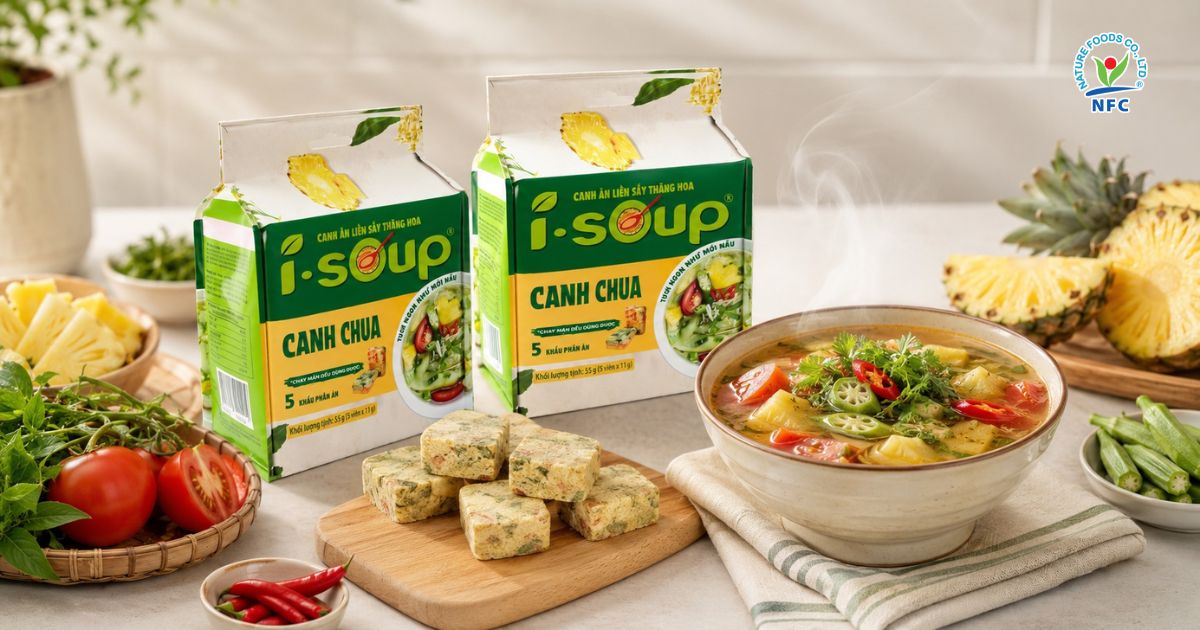
Today, spice manufacturers also apply products in processed foods, instant noodles, vegetarian products, dried foods, and premium dipping sauces.

Challenges & Trends in Modern Spice Production
The spice industry faces several challenges, including:
-
Fluctuations in natural ingredient supply.
-
Increasing food safety requirements.
-
Intense competition from domestic and international brands.
However, modern spice production trends create opportunities:
-
Natural spices with low salt, low sugar, and no chemical additives.
-
Application of freeze-drying, cold-drying, and essential oil extraction technologies.
-
Convenient packaging aligning with the “clean eating – healthy living” trend.
-
Development of organic and vegan spice products.
N F C – Standardized Spice Manufacturer in Vietnam
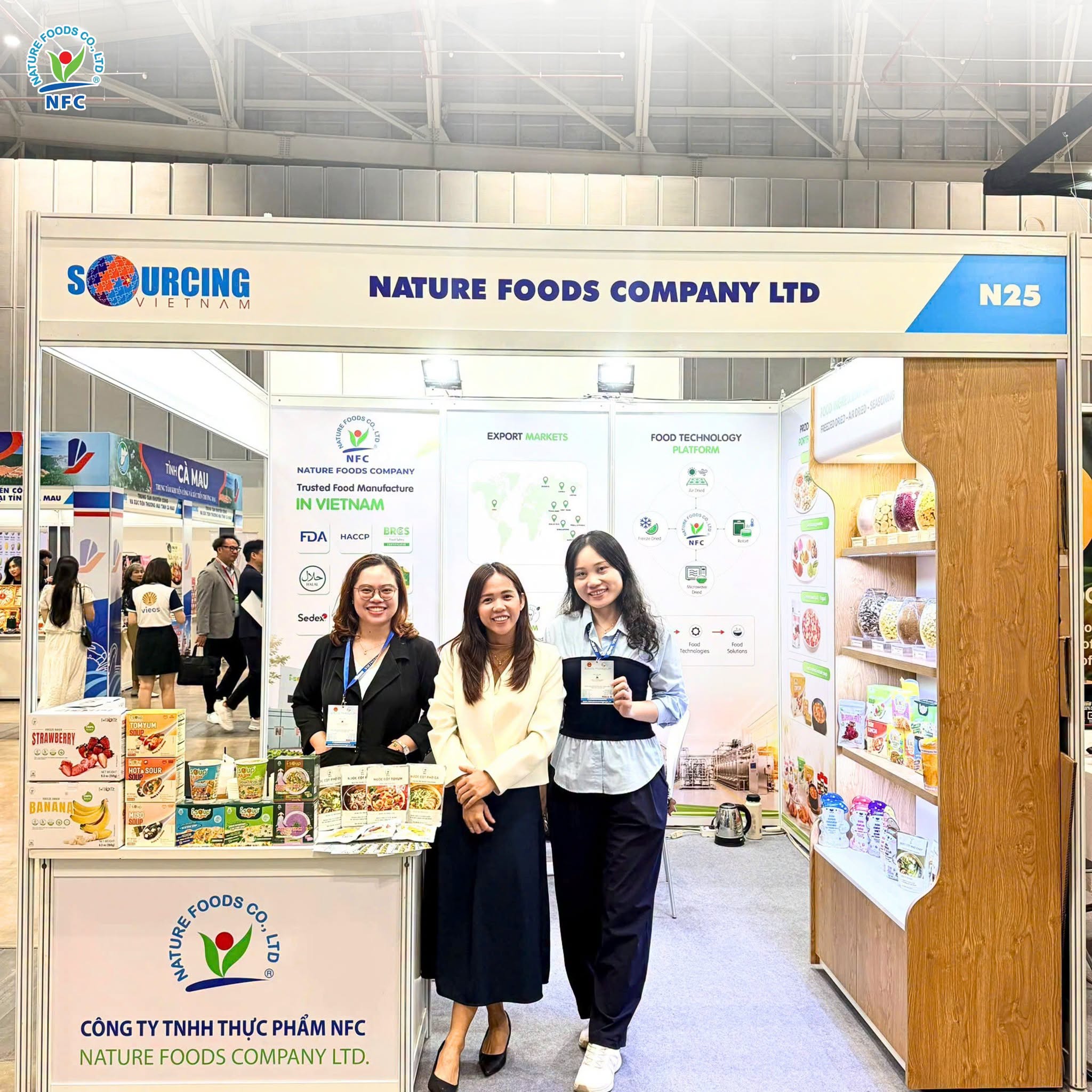
With over 23 years of experience in freeze-dried food processing and production, N F C proudly stands as one of Vietnam’s international-standard spice manufacturers.
N F C owns modern factories and a strict quality management system compliant with ISO 22000, along with a closed production process that preserves the natural flavor.
Product lines include:
-
Natural spices from garlic, onion, ginger, chili, pepper, etc.
-
Powdered, granular, or concentrated freeze-dried spices.
-
Custom spice solutions according to OEM/ODM partner requirements.
With the philosophy “From Nature – For Consumer Health”, N F C continuously researches and innovates to provide convenient, safe, and intensely flavorful products reflecting Vietnam’s culinary identity.

Conclusion
Spices are a key factor determining the flavor of dishes and a rapidly growing industry. Producing high-quality products requires investment in clean raw materials, modern technology, and rigorous control processes.
N F C is proud to be a pioneer in standardized spice production in Vietnam, offering comprehensive solutions for the domestic and international food industry – from raw materials to finished products.