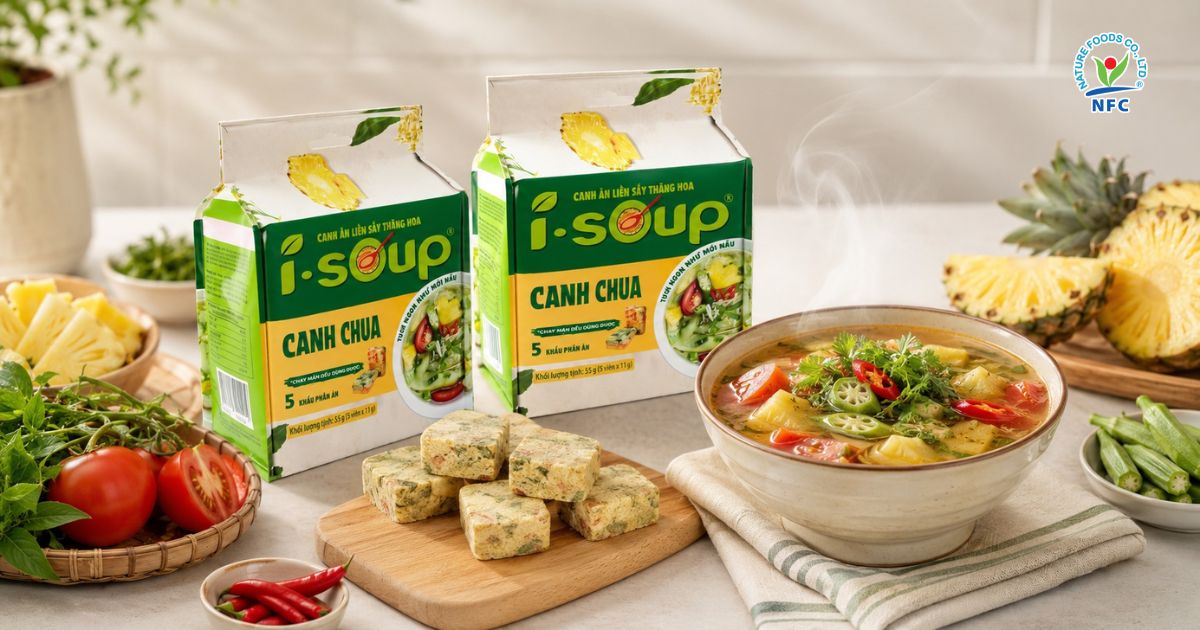
HACCP is a food safety management system that helps businesses identify, control, and prevent risks from raw materials to finished products. Implementing HACCP not only ensures safe and high-quality products but also enhances credibility and meets international standards. In this article, N F C will guide you through the principles, implementation process, and benefits of HACCP, helping you understand how this system protects consumers and optimizes production.
What is HACCP?
HACCP (Hazard Analysis and Critical Control Point) is a system for analyzing hazards and identifying critical control points in food production. Its main objective is to ensure food safety by detecting and controlling potential risks throughout the process, from raw materials to finished products. HACCP is widely applied worldwide, especially in food manufacturing companies exporting products, helping to enhance both product quality and company reputation.

Core Principles of HACCP
The HACCP system is built on seven fundamental principles to ensure food safety and effective quality control:
- Hazard Analysis: Identify potential risks in raw materials, production processes, and finished products.
- Identify Critical Control Points (CCPs): Recognize key steps that need monitoring to prevent risks.
- Establish Critical Limits: Set safety thresholds for CCPs to ensure products remain safe.
- Monitor Control Points: Continuously track CCPs to promptly detect deviations.
- Corrective Actions: Prepare plans to address issues detected at CCPs.
- Record Keeping and Documentation: Maintain detailed records for traceability and verification.
- System Verification and Validation: Conduct periodic checks to ensure HACCP operates effectively.
Strictly following these seven principles helps prevent harm to consumers, optimize production processes, improve product quality, and enhance brand reputation. It is also essential for meeting international standards and expanding export markets.

HACCP Implementation Process in Food Manufacturing
To successfully implement HACCP, food production businesses should follow these steps:
- Evaluate Raw Materials: Check the origin, quality, and potential risks of incoming materials.
- Identify Potential Hazards: Analyze physical, chemical, and biological risks that could affect food safety.
- Establish Critical Control Points (CCPs): Identify crucial steps in the production process that require strict monitoring.
- Develop Monitoring and Corrective Action Plans: Set up systems to track CCPs and prepare responses to deviations.
- Train Staff: Enhance awareness and skills of the production team regarding food safety and HACCP.
- Inspect and Evaluate System Effectiveness: Conduct periodic checks, verify HACCP efficiency, and continuously improve.
This process not only ensures the safety of dried food products but also helps businesses comply with legal requirements, meet international standards, boost brand reputation, and enhance export opportunities. Proper HACCP implementation also reduces production risks and optimizes operational costs.

Requirements & Supporting Standards for HACCP
To effectively implement HACCP, food production companies must also meet supporting requirements and standards:
-
GMP (Good Manufacturing Practices): Ensure production processes meet hygiene, safety, and quality standards.
-
ISO 22000 Food Safety Standard: Integrate HACCP into an overall management system to control risks across the supply chain.
-
Sanitary Conditions: Control the production environment, equipment, and storage areas for raw materials and finished products.
-
Supply Chain Control: Monitor suppliers, raw materials, and transportation to prevent risks.
-
Traceability Records: Maintain complete and transparent data for inspections and export purposes.
Meeting these supporting standards not only strengthens quality management but also minimizes risks, standardizes dried products, and elevates brand reputation domestically and internationally. It also facilitates export certifications and compliance with legal food safety requirements.
Benefits of Implementing HACCP
Having a HACCP system offers numerous benefits for food production businesses. It enhances customer trust, strengthens brand reputation in domestic and export markets, minimizes food safety risks, controls product quality, and optimizes production costs through standardized processes.
Additionally, HACCP allows businesses to respond quickly to incidents, protect consumer health, and prevent brand damage. Effective HACCP implementation also supports internal management optimization, employee training, and transparent record-keeping, ensuring compliance with legal and international standards such as ISO 22000.

Challenges and Considerations in HACCP Implementation
Despite its benefits, implementing HACCP in food manufacturing presents practical challenges, including high initial investment, the need for trained personnel, changes to traditional production habits, and maintaining continuous monitoring records.
To overcome these challenges, businesses need a detailed implementation plan, assess risks at each production stage, and organize regular employee training. Using proper control tools and maintaining transparent records ensures the HACCP system operates effectively, guarantees food safety, optimizes production processes, and strengthens brand reputation.
N F C – A HACCP Certified Dried Food Producer in Vietnam
N F C is one of the pioneering companies in Vietnam to successfully implement HACCP for dried food products. By strictly following critical control points (CCPs) and quality monitoring processes, N F C ensures safe, convenient, and high-quality products.
HACCP implementation allows N F C to meet international export requirements, enhance brand reputation, and strengthen Vietnam’s position in the food industry. The system also enables risk management, optimized production processes, transparent record-keeping, and protection of consumer health – demonstrating a commitment to quality and reliability in every dried product.

Conclusion
HACCP is the gold standard in food safety, helping businesses control risks and improve product quality. Implementing this system not only protects consumer health but also enhances credibility and competitiveness.
N F C’s successful HACCP adoption proves that strict adherence to critical control points is key to sustainable growth. The system standardizes dried products, meets international standards, and creates a competitive advantage in both domestic and global markets.
See also: What is BRC Certification? The Gold Standard for International Food Safety