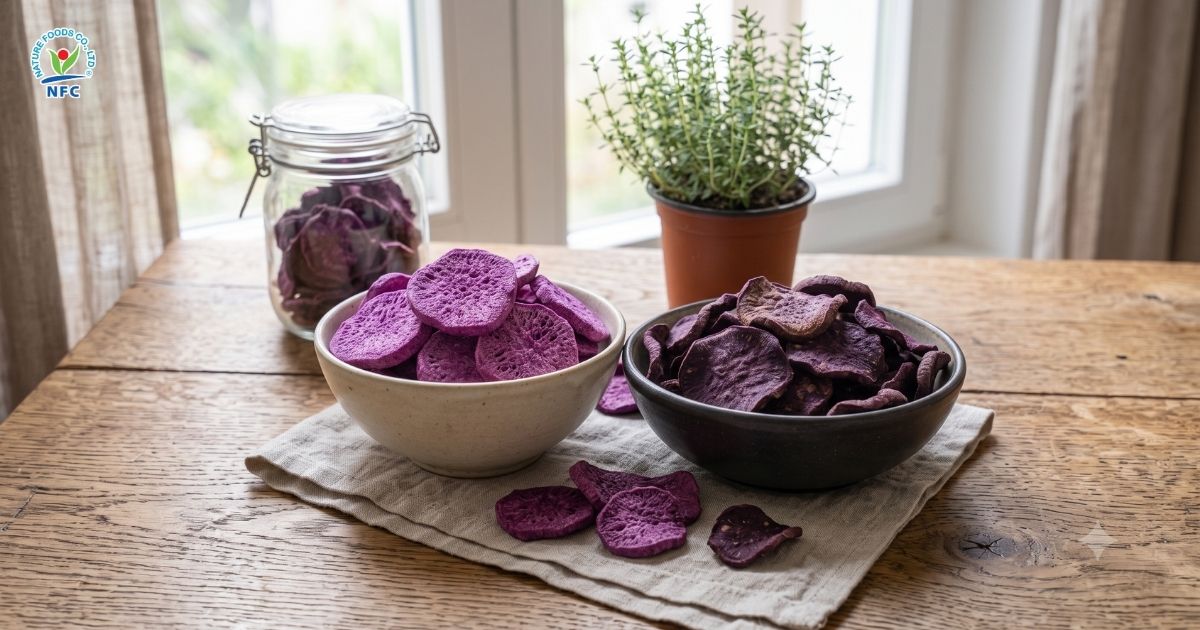
In the context of consumers increasingly paying attention to quality and nutritional value, cold drying technology has emerged as an outstanding solution to preserve the natural flavor, color, and nutrients of food. This article by N F C will help you understand what cold drying is, how it works, its advantages, and a comparison with hot drying to help you choose the most suitable method for efficient and sustainable food processing and preservation.
What is Cold Drying?
Cold drying is a technology that removes water from raw materials at low temperatures (usually below 50°C) using dry air and humidity control. Unlike traditional drying methods that rely on high heat, cold drying works through moisture condensation, preserving the natural color, unique flavor, and nutritional value of the product.
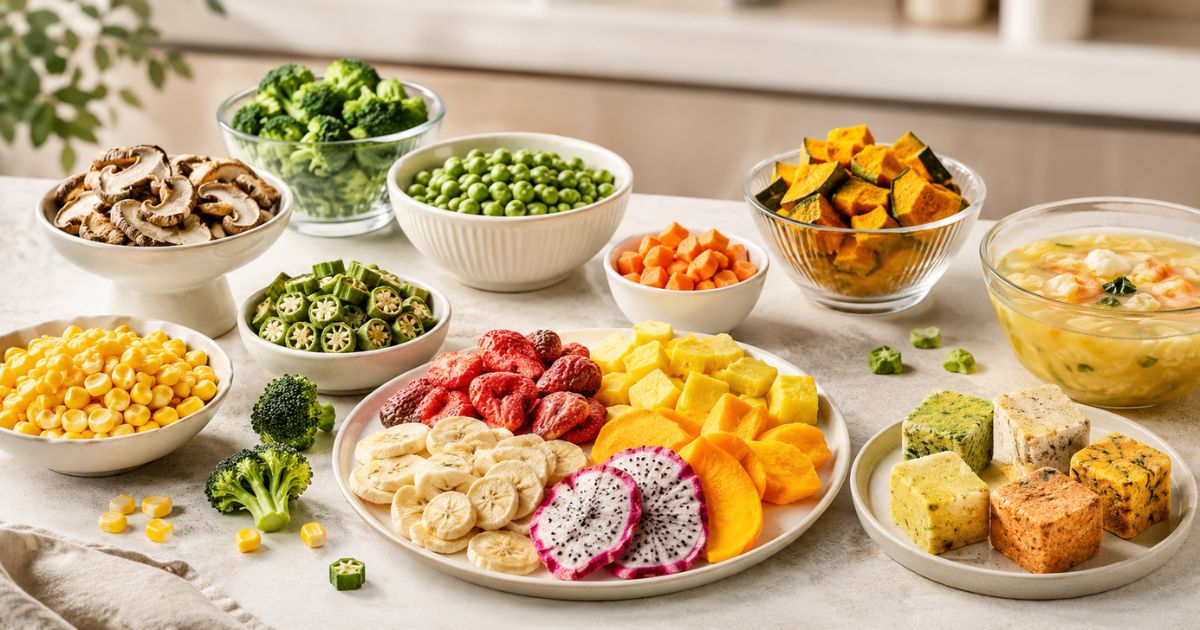
By carefully controlling temperature and humidity throughout the process, cold drying prevents shrinkage, discoloration, or loss of aroma typically seen in hot drying. This makes it the preferred choice for premium foods, agricultural products, herbs, meat, fish, and fresh flowers, where post-drying quality is paramount.

Principle of Cold Drying
The cold drying system operates on the principle of moisture removal using dry air at low temperatures, allowing water evaporation to occur gently without altering the product’s structure. The closed-loop system consists of cooling, moisture condensation, and air recirculation stages to maintain a stable environment inside the drying chamber.
Basic Components of a Cold Drying System
A standard cold drying system typically includes:
-
Compressor: compresses the refrigerant and regulates system temperature.
-
Condenser: cools and condenses the refrigerant to control heat flow.
-
Evaporator: lowers air temperature and removes moisture.
-
Air circulation fan: ensures even distribution of dry air around the product.
-
Drying chamber: thermally insulated to reduce energy loss.
-
Temperature and humidity controller: precisely maintains optimal conditions throughout the drying process.
The air flows in a closed-loop cycle, continuously removing moisture, condensing, and recirculating, which saves energy and ensures ideal humidity for the product at all drying stages.

Operating Process
-
Humid air from the drying chamber is extracted and passed through the cooling system.
-
Moisture condenses and is removed as water.
-
The dry air is slightly heated (below 50°C) to the optimal drying temperature.
-
The clean, dry air circulates back to the chamber and contacts the product, repeating the cycle.
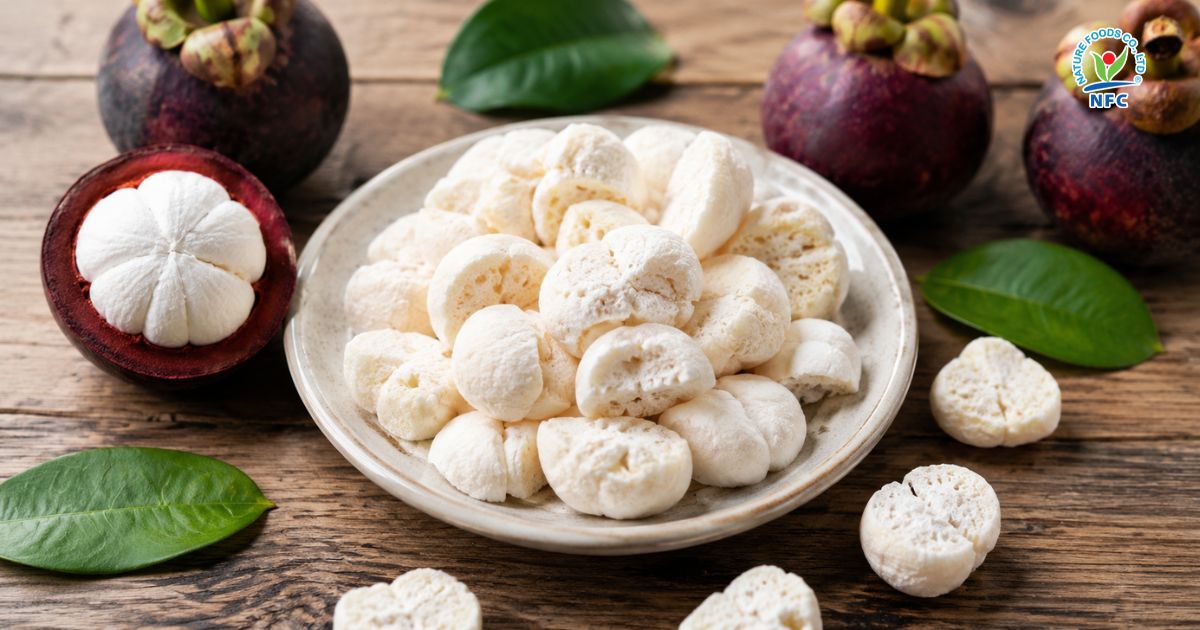
This low-temperature drying method preserves cell structure, color, flavor, and natural nutrients, making it ideal for heat-sensitive raw materials such as fruits, vegetables, herbs, and flowers that require high-quality post-drying results.
Advantages of Cold Drying Technology
-
Preserves natural color, flavor, and nutrients: Operating below 50°C maintains the product’s natural structure, especially suitable for fruits, vegetables, herbs, meat, fish, and flowers.
-
Energy and cost efficiency: Closed-loop air circulation reduces heat loss, lowering long-term operating costs.
-
Extends product shelf life: Very low moisture content limits microbial growth without chemical preservatives.
-
Ensures high product quality: Gentle drying prevents burning, deformation, or discoloration.
-
Environmentally friendly: Stable operation reduces heat emission and noise, supporting green and sustainable production.
Comparison: Cold Drying vs. Hot Drying
| Criteria | Cold Drying | Hot Drying |
|---|---|---|
| Operating Temperature | 20–50°C | 60–100°C |
| Moisture Removal | Dry cold air | High-heat evaporation |
| Product Quality | Retains color, flavor, nutrients | Risk of discoloration, flavor loss, nutrient degradation |
| Energy Consumption | Efficient, recirculates air | High, depends on temperature |
| Suitable Applications | Fruits, vegetables, herbs, premium foods | Common foods, seafood, snacks |
| Equipment Cost | Higher upfront, better long-term ROI | Lower upfront, higher operating loss |
When to Choose Cold or Hot Drying:
-
Cold drying: Ideal for heat-sensitive products, export standards, and premium foods.
-
Hot drying: Suitable for large-scale production, common products, and low investment requirements.

Conclusion
Cold drying is an advanced moisture removal solution that enhances product value in agriculture, food, and herbal processing. By preserving natural color, flavor, and nutrients, it meets the needs of modern consumers who care about quality and authenticity.
Choosing between cold and hot drying depends on raw material characteristics, production scale, and market orientation. A well-informed investment can optimize costs, improve product quality, and strengthen brand reputation domestically and internationally.
Follow N F C (Nature Foods) for more information on drying technologies, drying services, and OEM/ODM production solutions for your business.