During the period 2020-2025, the global food industry has undergone major changes under the influence of the pandemic, technology, and green living trends. Consumers are increasingly concerned about health, sustainability, and convenience. As a result, many new food trends have emerged, not only shaping individual consumption behavior but also creating opportunities for food businesses to innovate.
In this article, let’s take a look at an overview of the food industry and predict the trends that will shape consumer habits in the future, enabling us to make improvements and stay current.

I. Overview of food trends in the period 2020-2025
The period 2020-2025 is a special period for the global food industry. The COVID-19 pandemic forced consumers to drastically change their eating habits: from convenient, fast food to prioritizing healthy food (green food).
According to the Global Wellness Institute (2024), the global healthy food market has surpassed the 1.3 trillion USD mark, growing 8-10%/year. In Vietnam, food spending accounts for more than 30% of total household spending (Kantar, 2024), and convenient food that still retains full nutrition is booming.
Key factors driving this trend:
- Increased health awareness: Consumers prioritize nutritious food, low in sugar and fat.
- Green & Sustainable Living: Demand for organic, non-GMO foods and eco-friendly packaging is increasing rapidly.
- Convenience & Technology: Freeze-dried, ready-to-eat, and ready-to-cook dominate the busy lifestyle.
- Young generation leads the trend: Gen Z & Millennials become the main consumer group, willing to pay more for healthy products.

II. Food trends 2020–2025 by industry
1. Fresh food industry
According to Nielsen (2023), 67% of urban Vietnamese consumers are willing to pay 15–20% more for safe vegetables and fruits. The habit of using organic vegetables and fruits, clean meat, and seafood with clear traceability certificates is gradually becoming dominant.
Today, the trend of “farm-to-table” (from farm to table), sustainable farming models (GlobalGAP, VietGAP) are of more interest to consumers than ever.
2. Processed foods industry
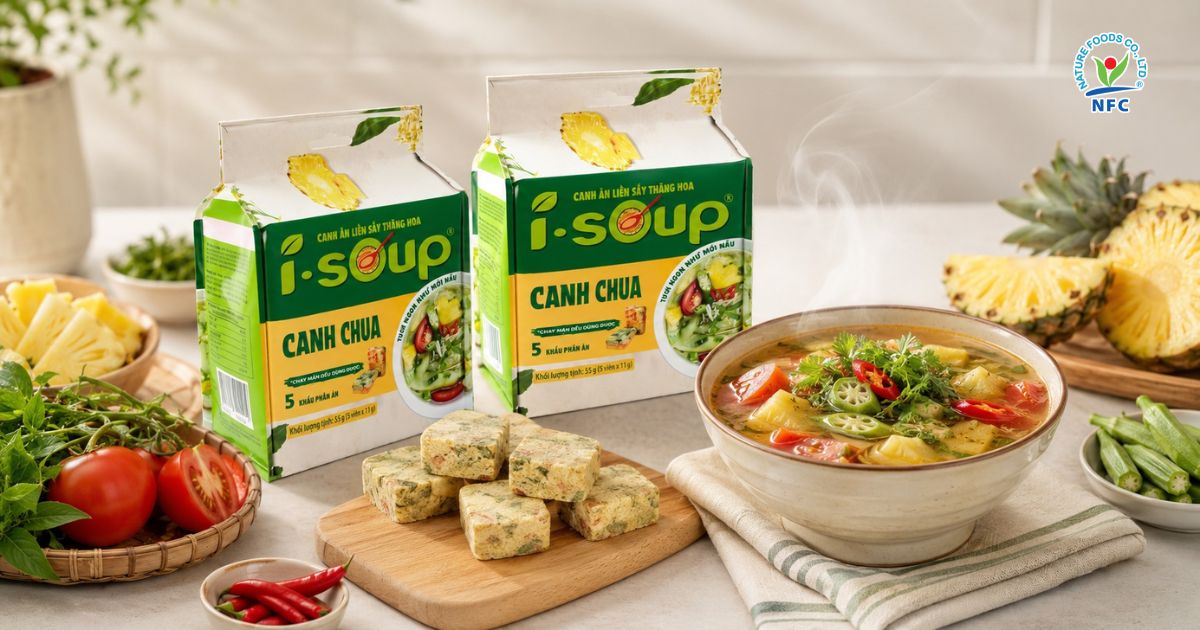
According to DTM Consulting (2023), the Vietnamese instant noodle market reached 8.48 billion packages (2022), ranking 3rd globally. Instant products (Instant noodles, iSoup Huups! Instant Soup, convenience foods, etc.) have grown strongly during the COVID period, becoming a new food trend. However, consumers increasingly prefer “healthy” noodles: less oil, less salt, supplemented with dried vegetables, vegetable protein.
This shows that consumers are gradually shifting to a new consumption style: convenient products that are good for health and have a clear origin.

Read more about Top 5 Instant Noodle Trends In 2025!
3. Snack & Packaged Food Industry
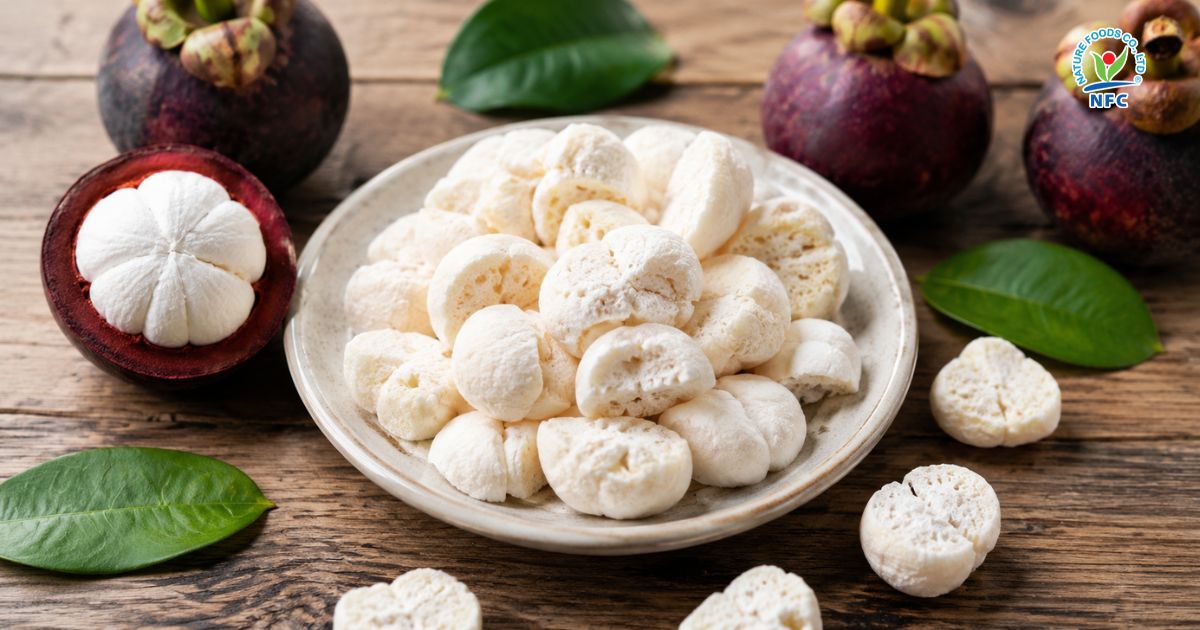
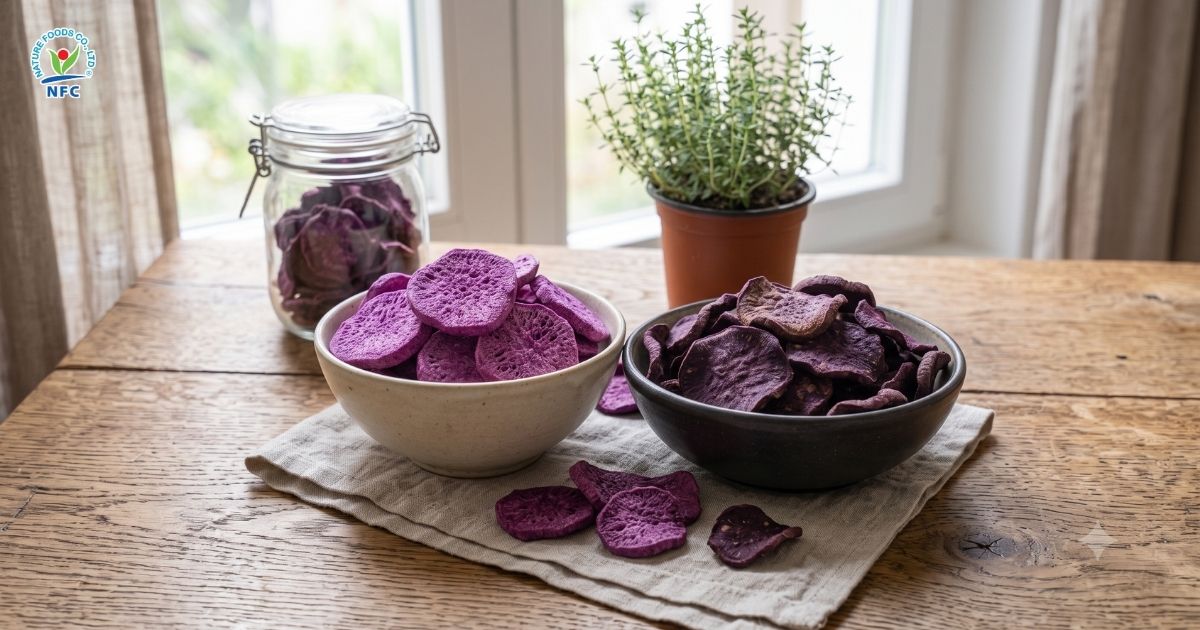
According to a report by Grand View Research (2024), the highlight of the snack & packaged food industry is the freeze-dried fruit market, which is expected to reach 69.8 billion USD by 2030, with a CAGR of 7.6%. With freeze-dried technology, freeze-dried fruits, energy bars, nutritional seeds,… are replacing traditional snacks and are becoming popular, becoming a new snacking trend in the food industry.
The strength of freeze-dried foods is that they retain their flavor and nutrition, meeting the needs of “healthy snacking” in response to modern food trends.

4. Beverage Industry
From Euromonitor reports (2023), it is noted that sales of sugar-free soft drinks in Vietnam increased by 12%/year with the growth of drinks such as herbal tea, kombucha, detox juice, and low-sugar drinks.
In addition, Gen Z & Millennials customers like to try new products but still focus on “healthy” factors.
5. Dairy & Dairy Alternatives Industry
According to Allied Market Research (2024), the global plant-based milk market reached 44.8 billion USD in 2023, forecast to reach 77.8 billion USD in 2030.
In particular, nut milks (almond, oat, soy) are growing rapidly, gradually replacing traditional cow’s milk. This is also a suitable consumption trend because nut milks are not only for people with lactose allergies but also a lifestyle choice.
6. Spices & Cooking Ingredients
Consumers are interested in “healthy spices” instead of just delicious ones, following the healthy food trend. Spices with low salt, low sugar, convenient rice seasoning, and organic fish sauce. Based on this trend, spices with added minerals, probiotics, targeting busy young customers, are gradually becoming more popular.

7. Confectionery & Seasonal Food Industry

8. Seafood & Alternative Proteins
According to FAO (2024), the demand for alternative proteins is forecast to reach 17 billion USD by 2027, achieving a CAGR of 9%. Processed seafood (salmon, canned tuna, etc.), proteins from algae, mushrooms, and insects are being researched by food companies to become a new food solution rich in protein but reducing carbon emissions.

III. Food Trend Forecast to 2030
1. Healthy Food Trend
According to a report from the Global Wellness Institute (2024), the global healthy food market is worth more than 1.3 trillion USD, showing an increasing level of health concern. Consumers prioritize healthy, nutritious, low-sugar, low-saturated-fat, and additive-free foods.
In Vietnam, 67% of Millennials and Gen Z choose to add plant-based and organic foods to their daily meals (VnExpress, 2024). This is clear evidence of the shift to a green, clean lifestyle.
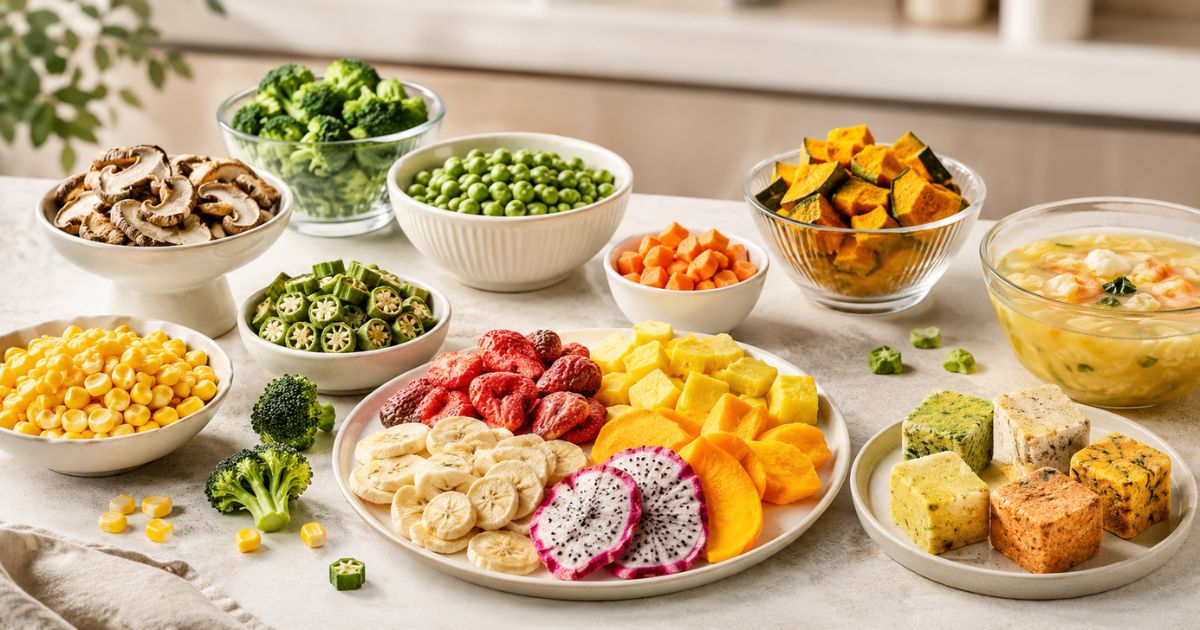
Outstanding products such as Freeze-dried foods (Dried fruits, Nutritional instant soups, Freeze-dried instant soups, etc.) will be smart choices and dominate the market. At the same time, foods with clear origins will dominate use.

2. Food technology and the rise of freeze-drying
In the context of increasing demand for convenience and nutrition, freeze-drying technology has become a bright spot. According to Grand View Research (2022), the freeze-dried food market is expected to reach 69.83 billion USD by 2030, with a CAGR of 7.6%.
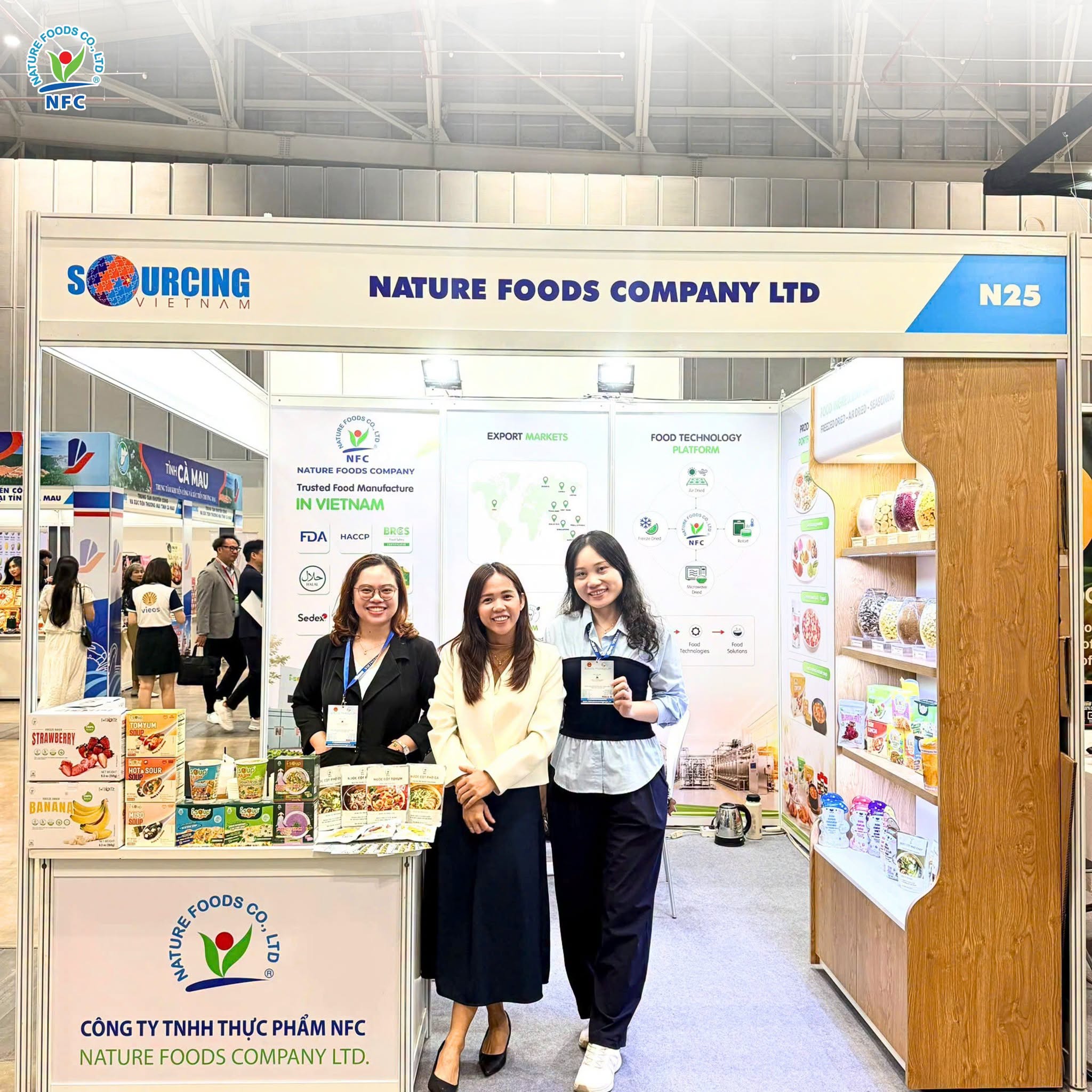
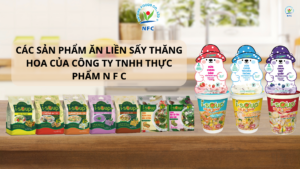
This technology helps preserve nutrition, prolong shelf life, and does not require preservatives. In particular, N F C Food Company Limited (Nature Foods) is one of the pioneering enterprises in Vietnam that has boldly invested in bringing this modern technology from Japan since 2002, aiming to bring healthy, convenient products suitable for the busy lifestyles of Vietnamese consumers.
3. Food trends personalize food
Consumers today not only want delicious food but also want food that suits their individual needs: keto, eat clean, vegan or low-carb.
NielsenIQ (2023) recorded that more than 55% of buyers are willing to pay more for personalized products. Brands have started to apply AI and big data to develop customized products for each target group. Mastering data is not only a new trend to optimize customer experience and help develop products that suit food trends in the new period.
4. Food associated with sustainable values
Sustainability is becoming a decisive factor in product choices and food trends in the period from 2026 – 2023. Kantar report (2024) shows that 72% of Gen Z consumers prioritize environmentally responsible brands. Eco-friendly packaging, reduced CO2 emissions, and transparent origins are factors that create competitive advantages. Large corporations from Europe are also expanding their search for supply partners in Vietnam to meet this standard.
5. The boom of E-Commerce in the food industry
Since the COVID-19 pandemic, e-commerce has become a strategic distribution channel for the food industry, an inevitable trend. According to Statista (2023), global online food revenue reached more than 300 billion USD and continues to increase strongly. Amazon, Shopee, Lazada, and Tiki have all witnessed an increasing number of online food buyers. Consumers love the convenience, variety, and attractive promotions when buying food through digital channels.
Conclusion for Food Trends 2026 to 2030
The food industry is entering a new era with rapid changes in consumer behavior from eating well to eating well, and now eating healthy – eating green, eating smart.
Any business that can grasp these 5 major trends will have a superior competitive advantage. The period from 2026 to 2023 will be the time of the explosion of green, convenient, personalized food, opening up great opportunities for pioneering businesses.